Funerals in the Winter – What To Know And Prepare For
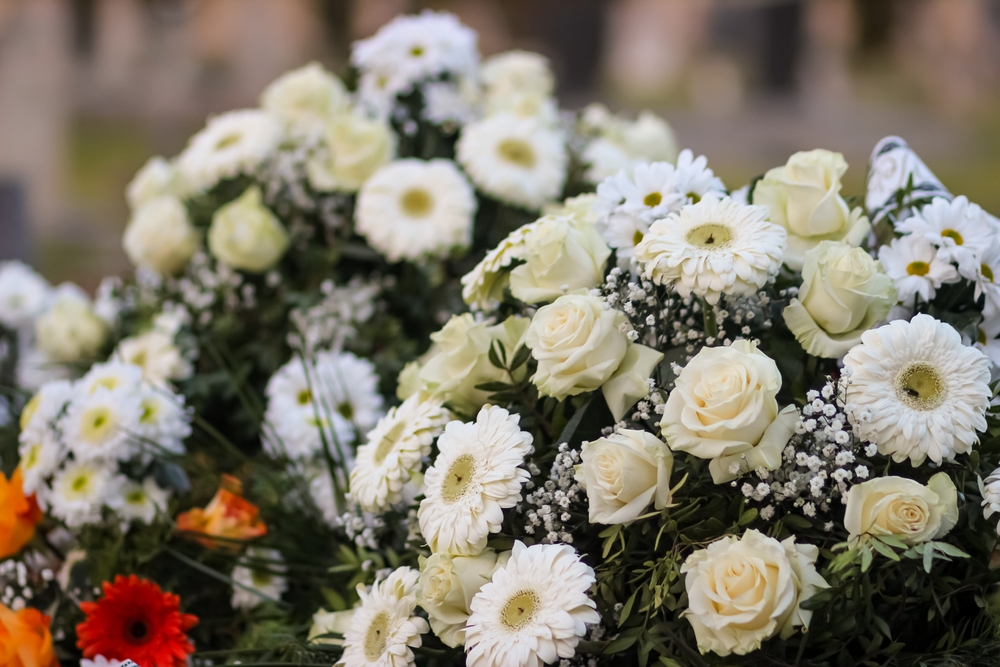
Planning a funeral is never easy, and when winter arrives with its harsh weather and unpredictable conditions, it introduces an added layer of complexity to the process. Whether you’re preparing in advance or dealing with the immediate loss of a loved one, understanding how to navigate the nuances of winter funeral planning is crucial. From transportation and cemetery logistics to attire and venue decisions, thoughtful preparation can help ensure that the ceremony remains respectful, dignified, and accessible to all attending.
Winter affects nearly every aspect of a funeral. The cold temperatures, snow-covered roads, and frozen ground bring logistical and emotional challenges. However, with proper foresight and adaptability, families can create a beautiful tribute even during the most difficult season. This guide covers key considerations and helpful insights into how to thoughtfully plan a winter funeral without being caught off-guard by the season’s limitations.
Navigating Cemetery Access in Snow and Cold Conditions
One of the first and most pressing concerns in winter funeral planning is ensuring reliable cemetery access in snow. Many cemeteries are not equipped to handle heavy snow or ice, particularly if the grounds are in more rural areas where snow removal may be delayed or infrequent. Funeral directors and cemetery managers should be consulted well in advance to confirm whether the site is accessible during winter storms and to coordinate necessary plowing or salting.
It’s also important to consider the safety and mobility of funeral attendees. Slippery walkways, steep slopes, or unpaved access roads can be hazardous. Guests with limited mobility or older family members may find it particularly difficult to traverse icy or snow-covered paths. In such cases, arrangements should be made to provide shuttle service from parking areas or alternative access points that reduce the physical strain on guests.
In some situations, it may be necessary to postpone the burial or plan a symbolic ceremony at an indoor facility, with interment scheduled for a safer day. Open and transparent communication with the funeral home and attendees about any possible changes due to weather will help reduce confusion and ensure that everyone can participate safely.
Dressing for Respect and Warmth: Cold Weather Attire for Funerals
Cold weather attire for funerals often poses a challenge for guests who want to dress respectfully while still staying warm. Traditional funeral clothing is typically formal and dark-colored, but winter conditions require additional layers and considerations. Encouraging attendees to wear warm coats, waterproof boots, scarves, and gloves is not only acceptable but often necessary.
For those organizing the funeral, it’s helpful to advise guests in the invitation or obituary notice about anticipated weather conditions and what attire will be appropriate for outdoor portions of the service. Women may want to consider wool slacks or long coats instead of skirts or dresses, while men should be encouraged to wear insulated overcoats. Keeping extra blankets or hand warmers available, especially for older guests, can be a thoughtful and appreciated gesture.
In extremely cold environments, some mourners may be hesitant to stay outdoors for extended periods, particularly during a graveside service. Keeping the ceremony concise and ensuring guests have the option to return to warm transportation quickly can help alleviate discomfort without compromising the solemnity of the moment.
Dealing With the Challenges of Grave Site Preparation
Another unique obstacle during the winter months is grave site preparation. Frozen ground can make digging a grave more labor-intensive and time-consuming. Funeral homes and cemetery staff need specialized equipment to break through hardened soil, and the process may require additional scheduling time. In some regions, this can cause delays of several days or longer, particularly if a sudden cold snap hits unexpectedly.
It’s essential to discuss these potential delays with the cemetery or funeral director during the initial planning phase. Understanding the limitations of grave site preparation in winter allows families to make informed decisions, such as choosing a temporary holding option like a mausoleum or holding a memorial service separate from the burial.
For families committed to a traditional burial, some cemeteries offer pre-dug graves before the ground freezes. This may be an option for those planning ahead or for religious communities that maintain strict burial timelines. Regardless of the path chosen, being aware of how frozen ground can impact timing and logistics is a key part of realistic winter funeral planning.
Indoor Accommodations: Heated Tent Services and Reception Venues
To counter the outdoor cold, many funeral service providers now offer heated tent services as part of their winter packages. These tents can be erected over the gravesite to provide some warmth and protection from wind or snow during the service. Heated tents are especially useful for longer ceremonies or when older family members are present, ensuring that mourners can focus on paying their respects without the distraction of harsh weather.
When booking a heated tent, it’s important to inquire about power sources, safety regulations, and the capacity it can hold. If the service is taking place during peak winter months, it’s advisable to book early, as these services are in high demand and may be limited by local providers.
Equally important is selecting an indoor reception venue that can comfortably accommodate guests post-service. An indoor reception venue provides a warm space for sharing stories, food, and condolences. This indoor gathering can serve as the emotional anchor for the day, offering comfort and a moment of reprieve after the often difficult outdoor experience. Churches, banquet halls, or even private homes can serve this purpose, but availability and heating capacity should be confirmed early in the planning process.
Accounting for Travel Delays and Adjustments
Winter weather brings a heightened risk of travel delays, which can impact everything from the arrival of out-of-town guests to the availability of clergy or officiants. Snowstorms, icy roads, and airline cancellations can significantly disrupt schedules. For this reason, building flexibility into the timeline of the funeral is crucial.
When sending invitations or publishing obituary details, it’s wise to advise guests to allow extra time for travel. If key family members or speakers are coming from out of town, encouraging them to arrive a day early can help avoid last-minute complications. Additionally, providing a livestream or recording option for the ceremony allows those unable to attend in person due to travel delays or safety concerns to still participate in a meaningful way.
In rural or hard-to-reach areas, funeral organizers may need to coordinate with local emergency services or road crews to ensure accessibility to the funeral location. Contingency planning for travel delays and road conditions not only supports guests but also relieves stress for the immediate family, allowing them to focus on the service itself rather than weather-related disruptions.
Conclusion
Winter funeral planning presents a unique set of challenges, but with careful preparation and flexibility, families can ensure that the memory of their loved one is honored with grace and dignity. From dealing with cemetery access in snow to overcoming the difficulties of grave site preparation, each aspect requires extra attention and consideration. Guiding guests on cold weather attire for funerals and offering services like heated tents or a comfortable indoor reception venue makes the day more manageable for everyone involved.
Most importantly, anticipating travel delays and creating backup plans will provide peace of mind during what is already an emotional time. The beauty of a winter funeral lies in its quiet solemnity, the crisp air, and the stillness of the season, all of which can serve as a powerful tribute when handled with sensitivity and care. By understanding the unique needs of a winter ceremony, families can focus not on the burdens of the season, but on the celebration of a life well lived.