Proper Funeral Etiquette In the Winter
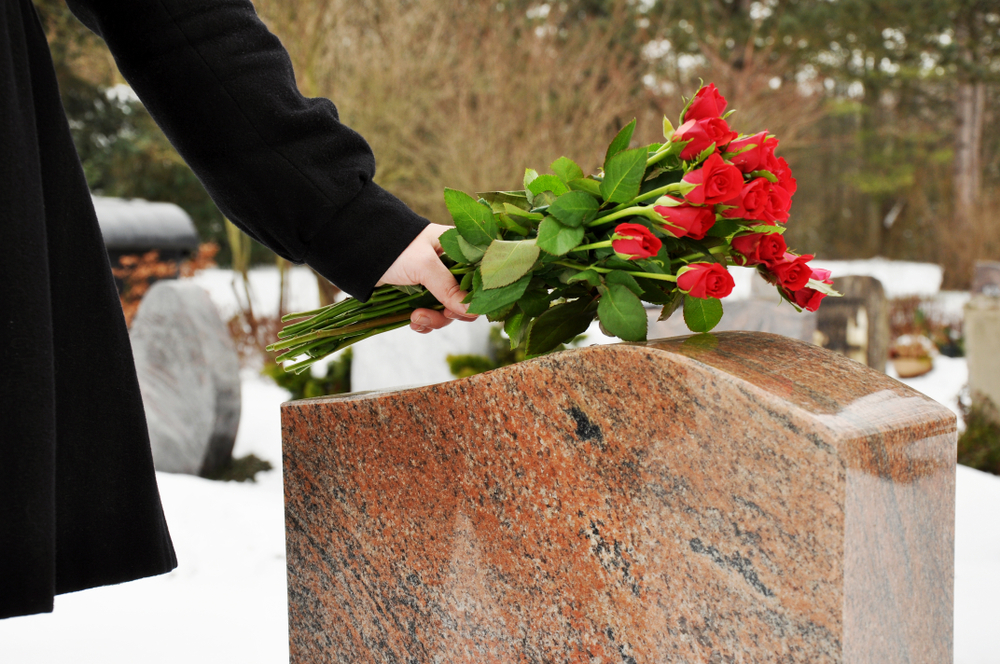
Winter funerals require thoughtful preparation that goes beyond the basics of traditional etiquette. As mourners come together to honor a loved one in cold, sometimes treacherous conditions, certain considerations come into play that balance respect, safety, and practicality. Whether you are attending a service in a drafty church, a snowy graveside ceremony, or a warm reception hall, your approach to winter funeral etiquette should reflect care in every detail. From how you dress to how you support others, these moments of mindfulness make a significant impact during a time of grief.
Dress with Respect and Functionality
Dressing for a funeral always calls for a conservative and respectful appearance. In winter, this includes additional elements like coats, boots, scarves, and gloves. Somber outerwear is essential: while standard funeral attire is typically dark, your winter coat should also align with the occasion. A black, charcoal, or navy wool dress coat is far more appropriate than a bright puffer jacket or sporty parka. Avoid flashy patterns or casual outerwear, even if you’re only wearing it briefly.
Underneath your coat, thoughtful layering is key. Somber layering means sticking to dark, unobtrusive clothing that keeps you warm without bulk. A slim cashmere cardigan, thermal undershirt, or long-sleeved wool dress shirt can help you stay comfortable during lengthy services without distorting your silhouette. Remember, you’ll likely transition between cold outdoor settings and warm indoor venues. Dressing in smart, breathable layers allows you to adapt seamlessly.
Practical footwear is another must. Graveside services are often held in muddy, snowy, or icy conditions, and safety takes precedence over formal footwear. It is entirely acceptable, often expected, to wear clean, dark, waterproof boots outdoors. If you wish, you can bring a pair of formal shoes to change into once indoors, but no one will fault you for prioritizing traction and warmth in difficult terrain.
Prepare for the Weather and Arrive Mindfully
Funeral etiquette traditionally includes arriving 10 to 15 minutes early to allow time to greet family or sign a guestbook without causing disruption. In winter, unpredictable weather demands additional planning. Weather-adjusted punctuality means factoring in delays such as snow-covered roads, slow traffic, or the time it takes to de-ice your vehicle. Also, account for the extra few minutes needed to manage heavy coats, umbrellas, and footwear once you arrive.
Coat management plays a role in maintaining a respectful and organized environment. Upon entering the funeral home, church, or reception hall, look for a designated coat rack or cloakroom. Avoid draping wet coats over pews or chairs, as they may drip onto others and cause distractions. If unsure, quietly ask a staff member or usher where to store your belongings.
Discreet accessories are preferred at winter funerals. Choose dark or neutral-toned scarves, gloves, and umbrellas that do not draw attention. If you’re using hand warmers, activate them before the service begins and keep them out of sight. Noise, bright colors, or obvious adjustments can unintentionally pull focus during solemn moments.
Be Attentive at the Graveside
Graveside ceremonies in winter are uniquely challenging. The ground may be uneven or frozen, and hidden ice patches can pose risks for all attendees. Graveside safety requires a thoughtful and cautious approach. Stick to paved or cleared paths whenever possible, and wear shoes with solid traction. If you see an elderly mourner or someone who appears unsteady, it is considered kind and proper to offer your arm or help them navigate the terrain.
Brief condolences are best in cold or windy conditions. While heartfelt words are always appreciated, prolonged conversations at an outdoor service may not be practical. Keep your expressions of sympathy short and sincere. During extreme weather, families may choose to move the receiving line indoors, so follow the lead of the officiant or funeral director. Even a few soft words spoken with compassion can mean a great deal in such a setting.
Support Virtually When Necessary
Winter storms or icy roads can make travel unsafe. If you are unable to attend in person due to weather, it is entirely appropriate to participate through digital means. Live-stream etiquette has become an increasingly accepted aspect of modern funerals. If the family has provided a link to attend virtually, be sure to log in a few minutes early, keep your microphone muted, and watch attentively without multitasking.
Though you are not physically present, the gesture of attending remotely demonstrates your respect and support. Many families appreciate follow-up messages afterward, especially if you weren’t able to speak to them directly during the service. A short email, handwritten card, or message expressing your condolences goes a long way and reinforces that your absence was weather-related, not a sign of indifference.
Extend Comfort Through Thoughtful Gestures
When someone passes away in the winter months, warm sympathy gestures can provide comfort beyond words. If you’re sending something to the family, think seasonally. While flowers are always appreciated, alternatives like gourmet soups, tea assortments, or high-quality blankets add a personal touch and help families feel supported during cold, dark days.
These gifts not only show care but also offer physical warmth during a time of emotional coldness. A basket of comforting foods or a soft, beautifully packaged throw can serve as an enduring reminder of your thoughtfulness. Just like your presence at the funeral, these gestures convey that you are holding the family in your heart, even from afar.
Conclusion
Proper funeral etiquette in the winter is a blend of tradition, respect, and seasonal sensitivity. From your somber outerwear to your choice of warm sympathy gestures, every detail contributes to the solemn tone of the event. By dressing appropriately, arriving prepared, acting mindfully at the graveside, embracing virtual attendance when needed, and offering comfort in thoughtful ways, you honor both the deceased and their loved ones with grace.
Winter may add complexity to an already difficult occasion, but it also offers the opportunity to demonstrate deeper care. Thoughtful adjustments for the season can provide warmth, emotional and physical, when it’s needed most.