Graveside services and worldwide shipping from Fresno Funeral Chapel Some families need a graveside service. Others need arrangements that extend far beyond Fresno. At Fresno Funeral Chapel, we’re equipped to handle both with the same careful attention we bring to every service. Our team in Fresno, CA coordinates: – Graveside services at cemeteries throughout the area – Worldwide shipping arrangements for families whose loved ones need to be transported internationally – Full logistics coordination so the family doesn’t have to manage the details 🌍 The reality is that families are spread across cities, states, and countries. When a loved one passes in Fresno, those coordination needs can be significant. We’ve handled these arrangements many times and know how to navigate them efficiently and compassionately. Fresno Funeral Chapel is an intimate, family-focused team with the experience and connections to manage complex arrangements without losing the personal touch. You’ll always know who to call and what’s happening. If you have questions about graveside services or international shipping arrangements, visit our website or contact us to speak with our team.
Direct cremation in Fresno: simple, dignified, and straightforward pricing More families in Fresno are asking about direct cremation than ever before, and we understand why. It’s a dignified, straightforward option that focuses on what matters most without unnecessary complexity or cost. At Fresno Funeral Chapel, our direct cremation service in Fresno, CA includes: – Professional care and handling by our licensed team – All required permits and death certificate assistance – Return of cremated remains to the family 🕊️ If your family is comparing options and doing your research, we welcome that. Our pricing has remained stable and transparent, and our team is happy to answer every question you have without pressure. Fresno Funeral Chapel has served this community for generations with honest, personal service. We don’t believe you should have to wonder what something costs or feel rushed during one of life’s most difficult moments. Our team is here to give you straight answers. Visit our website or contact us to learn about our direct cremation options and pricing in Fresno.
Pre-planning a funeral in Fresno protects your family when it matters most Talking about end-of-life planning isn’t easy. But for many Fresno families, taking care of those arrangements in advance turns out to be one of the most meaningful gifts they ever give their loved ones. Pre-arrangement planning through Fresno Funeral Chapel means your family won’t have to make difficult decisions during an already painful time. You choose your preferences now, on your terms, without pressure. What pre-planning covers: – Service type preferences (burial, cremation, graveside, chapel) – Personalizations that reflect who you are – Documentation that removes guesswork for your family 📋 Our team in Fresno, CA walks you through the process at your pace. There’s no rush, no pressure, and no obligation. We simply help you think through what matters and put it in writing. For families who want to feel prepared and protect the people they love, this step makes a real difference. Reach out to learn more about pre-arrangement planning at Fresno Funeral Chapel.
When a loved one passes, families face one of the most personal and emotionally weighted decisions imaginable: how to lay that person to rest. The choice between funeral caskets and urns sits at the center of that decision, and it touches on everything from cultural traditions and personal beliefs to practical finances and long-term memorial preferences. Whether you are doing advance planning for yourself or navigating the immediate needs of a family in grief, understanding your burial vs cremation options is an important step toward making a choice that truly honors the person you love.
For families in Fresno and throughout California’s Central Valley, these decisions carry the same weight as anywhere else in the country. Local funeral providers offer meaningful guidance, but the more informed you are going in, the more confident and at peace you will feel about the path you choose. This guide walks you through the key differences, costs, emotional considerations, and practical factors involved in memorial planning today.
What Is a Casket and When Is It Used?
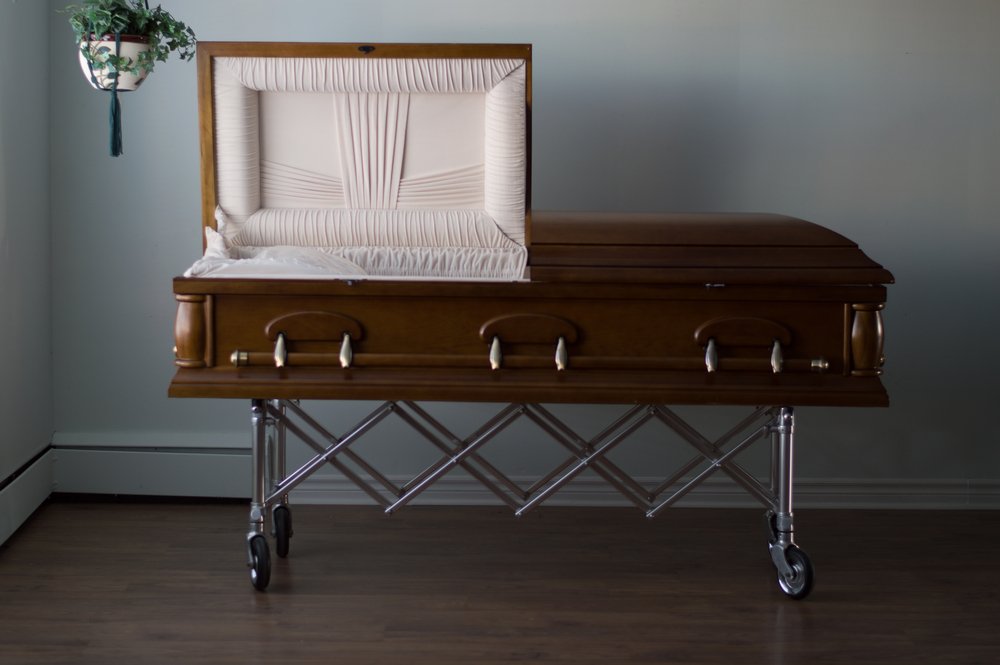
A casket is a container designed to hold the body of the deceased, typically used when a traditional burial is planned. Caskets come in a wide range of materials, including wood, steel, bronze, and even eco-friendly biodegradable options. The style, finish, and interior lining can all be customized to reflect the personality and preferences of the person being honored.
The primary distinction between a casket and an urn lies in how they are used. Caskets are traditionally utilized for burials, while urns contain the ashes of the deceased after cremation. If a traditional cemetery burial is what the family or the deceased preferred, a casket is a standard requirement. Caskets, especially those made of high-end materials like mahogany or bronze, are generally more expensive than urns.
Beyond cost and material, caskets also carry deep cultural and religious significance for many families. For those whose faith traditions call for the body to be buried whole, a casket is not simply a practical choice but a spiritual one. Many families in Fresno reflect a rich variety of cultural backgrounds, and for communities where traditional burial rites are central to honoring the dead, the selection of the right casket is an act of love and respect.
What Is a Cremation Urn and What Are Your Options?
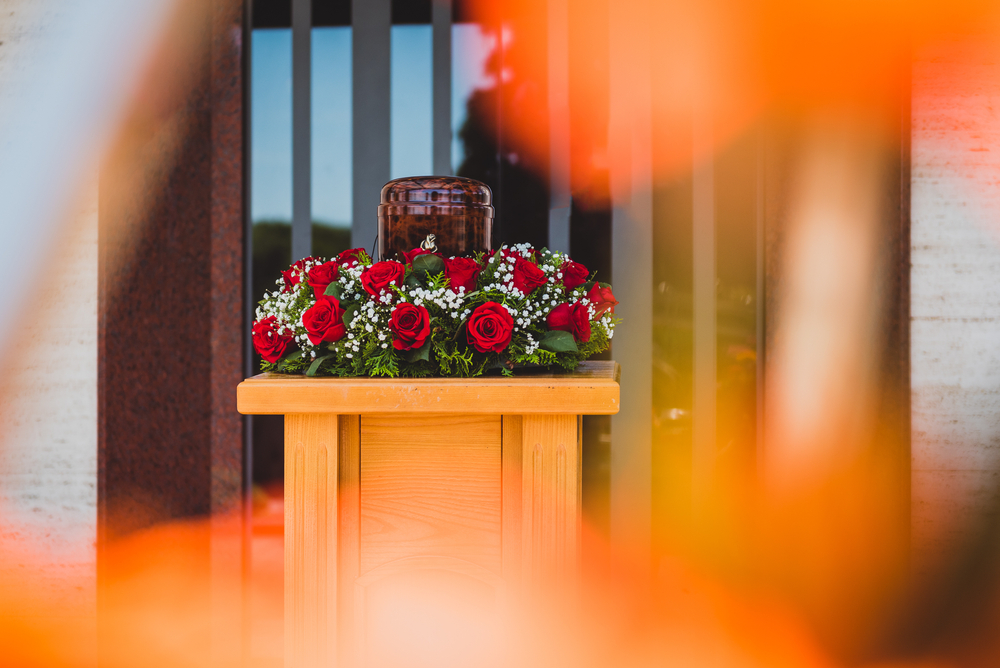
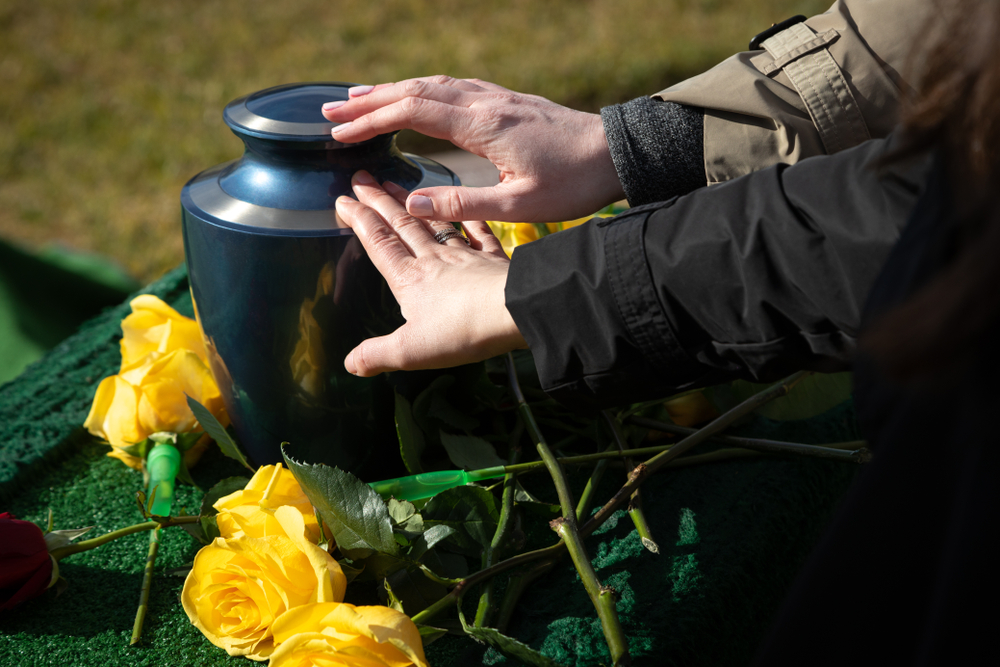
A cremation urn is a container chosen to hold the cremated remains, commonly called ashes, after a body has been cremated. Urns vary enormously in style, material, size, and purpose. Families can choose a simple container, an ornately engraved vessel, a biodegradable urn designed for scattering in nature, or a keepsake urn meant to be divided among multiple family members.
The types of containers for ashes are as varied as the options for what to do with ashes, and they range in cost from free to thousands of dollars. Your plans for your loved one’s ashes will dictate this choice. To give a loved one a permanent resting place in a mausoleum niche, you may want to purchase a more formal urn. To host a scattering service at a meaningful location, a scattering urn or a simple container may be the better fit.
Many urns can be personalized with engravings or custom designs, which can be a meaningful way to commemorate the deceased and create a lasting tribute. Some families prefer to keep the urn at home, while others might choose a columbarium or other memorial site.
For families engaged in memorial planning in Fresno, working with a knowledgeable funeral provider can help narrow down the options and find an urn that suits both the final disposition plan and the family’s sense of beauty and meaning.
Cost Comparison: Caskets vs. Cremation Urns
One of the most significant practical factors in choosing between burial vs cremation options is cost. The financial difference between the two pathways can be substantial, and understanding those numbers helps families plan without added stress during an already difficult time.
The national median cost of a funeral with a viewing and burial is $7,848, while the national median cost of a funeral with cremation is $6,971. Direct cremation with no service typically costs between $2,000 and $5,000.
When it comes to individual items, the price gap becomes even clearer. Simple urns start around $30, but prices can climb to $500 or more for ornate designs. Casket prices vary significantly based on material and design, ranging from $900 for basic models to $10,000 for high-end options. Beyond the casket itself, a traditional burial also involves costs for a burial plot, grave preparation, and a headstone, all of which add up quickly.
Cremation offers the most versatility and opportunity to control costs for those on a budget, while burial costs mount quickly. That said, cost should never be the only consideration. Families who find deep comfort in traditional burial should feel empowered to pursue that path, and many funeral homes offer financing or pre-planning options to make it more manageable.
Environmental Considerations and Modern Trends
More families today are thinking carefully about the environmental impact of their final arrangements. This reflects a broader cultural shift toward sustainability, and it is influencing how people think about both funeral caskets and urns.
Some opt for cremation because it leaves a smaller carbon footprint than traditional burial. However, eco-friendly casket options are also available, like biodegradable caskets that decompose naturally.
On the cremation side, biodegradable urns made from natural materials are increasingly popular among families who want to return remains to the earth or scatter them in meaningful outdoor locations. These urns dissolve in water or break down in soil, making them a thoughtful choice for environmentally conscious families.
The Cremation Association of North America reports a 2024 U.S. cremation rate of 61.8% and projects continued growth in coming years. This trend reflects not just cost preferences but shifting attitudes about memorialization, environmental values, and the desire for more flexible and personalized options. According to the National Funeral Directors Association, the U.S. cremation rate is projected at 63.4% for 2025, with long-term projections continuing to rise.
In Fresno and across the broader Central Valley, families are beginning to explore these alternatives more openly, asking funeral providers to walk them through all available options rather than defaulting to tradition alone.
How to Choose the Right Option for Your Family
Choosing between a casket and a cremation urn is ultimately a deeply personal decision, shaped by the wishes of the deceased, the beliefs of the family, and the practical realities of the moment. There is no universally correct answer, only the answer that feels most true and most honoring to the life that was lived.
By understanding the differences and carefully considering your options, you can make a choice that honors the memory of your loved one in a meaningful and respectful way. When considering a casket, think about the type of burial planned, the cemetery or mausoleum involved, and the cultural or religious expectations of your family. When considering an urn, think about where the ashes will ultimately rest, whether that is at home, in a columbarium, scattered in a meaningful place, or interred in a cemetery.
Pre-planning is one of the most generous gifts a person can leave their family. By documenting your preferences in advance, you lift the burden of difficult decisions from the shoulders of grieving loved ones. Many funeral homes in Fresno offer pre-arrangement consultations that allow individuals to walk through their options, ask questions, and secure arrangements at today’s prices.
In the United States, the most important baseline protection for consumers is the Federal Trade Commission’s Funeral Rule, which governs how funeral providers present options and prices for certain services. Knowing your rights as a consumer means you can ask for itemized pricing, compare options across providers, and make choices based on accurate information rather than pressure.
Conclusion
Whether you are drawn to the tradition and permanence of a casket burial or the flexibility and simplicity of a cremation urn, what matters most is that the choice reflects genuine care and intentionality. Memorial planning is not just logistics; it is one final act of love. For families in Fresno and surrounding communities, connecting with a trusted local funeral provider early in the process can make this journey far less overwhelming and far more meaningful.
Losing someone you love is one of life’s most difficult experiences. In the midst of grief, families are often asked to make important decisions quickly, including choosing a casket or urn to honor their loved one’s memory. Whether you are arranging services in Fresno, CA, or anywhere else in California, understanding your options can make this process feel less overwhelming and more meaningful.
This guide walks you through everything you need to know about caskets, urns for ashes, and funeral urn selection so you can make a thoughtful, informed choice.
The Difference Between Caskets and Urns
Before diving into the details of funeral urn selection or casket styles, it helps to understand what each product is and when it is typically used. Caskets are typically larger and rectangular, while urns are usually more cylindrical or spherical. Both caskets and urns come in various materials, colors, styles, and sizes to accommodate multiple funeral wishes.
A casket is a rectangular container designed to hold the body for burial or viewing. It is commonly associated with traditional funeral services and is available in a variety of materials, such as wood, metal, and biodegradable options. Caskets can also be customized with unique finishes and interiors that reflect personal preferences.
Urns for ashes, on the other hand, are chosen when a family opts for cremation. Urns provide options for columbarium placement, in-ground burial, or keeping at home in a designated space. Families in Fresno, CA, increasingly turn to cremation as a flexible and often more affordable alternative to traditional burial, making the funeral urn selection process just as important as choosing a casket.
The casket and urn selection is not strictly exclusive to each procedure. Casket rentals are available, and biodegradable urns can be chosen for green burials, making these selections highly versatile.
Factors to Consider When Choosing a Casket
Choosing caskets involves more than simply picking a style from a catalog. Several practical and emotional factors should guide your decision. Factors such as size, lining, price, and aesthetic should be considered to ensure the choice aligns with both the wishes of the departed and the family’s comfort.
Material is one of the first things to evaluate. Caskets come in a variety of materials, including wood, metal, and biodegradable options. Wood caskets, often made from mahogany, cherry, oak, or pine, provide a classic and natural look. Metal caskets, typically made of bronze, copper, or stainless steel, offer durability and a dignified appearance.
You should also consider the cemetery’s requirements before making your final choice. If choosing a casket for burial, you may need to check cemetery regulations regarding size and material. Some cemeteries in Fresno, CA, and across California may also require a burial vault to be placed around the casket, so it is worth confirming those details with your chosen funeral provider.
Personalization is another important dimension. Many caskets can be customized with engravings, unique finishes, or even interior fabric choices that reflect a loved one’s style. These touches help ensure that the casket feels like a true tribute rather than a generic product.
Finally, consider your budget honestly. An expensive casket or urn does not necessarily equate to greater respect or love for the deceased. Choose an option that feels right for your family and honors your loved one’s memory.
How to Choose the Right Urn for Ashes
Funeral urn selection deserves just as much careful thought as choosing caskets. With cremation rates rising throughout California, including in Fresno, CA, more families than ever are navigating the wide world of memorial products designed to hold and honor a loved one’s remains.
Size matters in a very practical way. For urns, one pound of body weight typically equals one cubic inch of ashes. For a 150-pound individual, you would need an urn with at least 150 cubic inches of capacity. Choosing an urn that is too small is a common mistake, so always confirm the dimensions before purchasing.
Urns also come in various materials, such as ceramic, marble, or biodegradable substances designed for eco-friendly burials. Each material carries its own aesthetic and practical qualities. Ceramic urns are popular for their beauty and are well-suited for display at home, while biodegradable urns are ideal for families who wish to scatter remains or bury them in a natural setting.
Consider the final placement as well. If you plan to keep the urn at home, a decorative option may be best. If you intend to place the urn in a columbarium niche, check the niche dimensions to make sure the urn fits. Some memorial products are designed specifically for outdoor placement, while others are better suited for indoor display.
Personalization options for urns are plentiful. Urns can often be engraved with names, dates, or meaningful quotes. Personalization helps ensure that the final resting place is a true reflection of the life that was lived.
The Role of Personal, Cultural, and Budget Considerations
One of the most important principles in funeral urn selection and casket choice is that there is no single right answer. Every family is different, and the best choice is the one that genuinely honors your loved one’s values and wishes.
Cultural and religious beliefs often dictate the choice between a casket and an urn. For example, many Catholic and Jewish traditions have historically favored burial in caskets, while Hindu and Buddhist traditions more commonly embrace cremation. Families in Fresno, CA, represent a wide range of cultural backgrounds, and local funeral providers are accustomed to supporting diverse traditions when it comes to memorial products and services.
Emotional needs also play a significant role. Some families prefer a traditional burial as it provides a physical place for remembrance. On the other hand, an urn can be kept close, offering comfort and connection. Ultimately, the path you choose should meet your emotional needs and honor the unique relationship you shared with the deceased, making the grieving process more bearable.
Budget is a real consideration too, and there is no shame in discussing it openly with your funeral director. Cremation often provides more affordable options compared to traditional burials. Simple, unadorned caskets or urns can be both dignified and cost-effective. Consider eco-friendly options, which are often less expensive.
Some families incorporate both, using a casket for the service and later choosing cremation, which can give loved ones the benefit of a traditional viewing while still allowing for the flexibility that cremation provides.
Working With a Funeral Provider in Fresno, CA
Navigating the selection of caskets, urns for ashes, and other memorial products is much easier when you have knowledgeable, compassionate guidance. A reputable funeral home in Fresno, CA, will walk you through all available options, provide pricing transparency, and help ensure that your choices comply with local cemetery and cremation regulations.
Selecting a casket or urn is an essential part of funeral arrangements and can be deeply personal. It reflects the life lived and provides comfort, solace, and peace for those left behind. A skilled funeral director will never pressure you into a specific product but will instead take the time to understand what matters most to your family.
Ask about the full range of memorial products available, from standard wooden caskets to hand-painted ceramic urns for ashes. Ask whether rental caskets are available if you plan to hold a viewing prior to cremation. Ceremonial rental caskets for viewing before cremation can help reduce costs. And do not hesitate to ask about payment plans or financing options if cost is a concern.
Conclusion
Choosing the right casket or urn for a loved one is a deeply personal decision, but it does not have to be an overwhelming one. By understanding your options, considering your loved one’s wishes, and working with a trusted funeral provider in Fresno, CA, you can select memorial products that offer real comfort and a lasting tribute. Whether you choose a beautifully crafted casket or a carefully selected urn for ashes, what matters most is that the choice reflects the love and respect you have for the person you have lost.