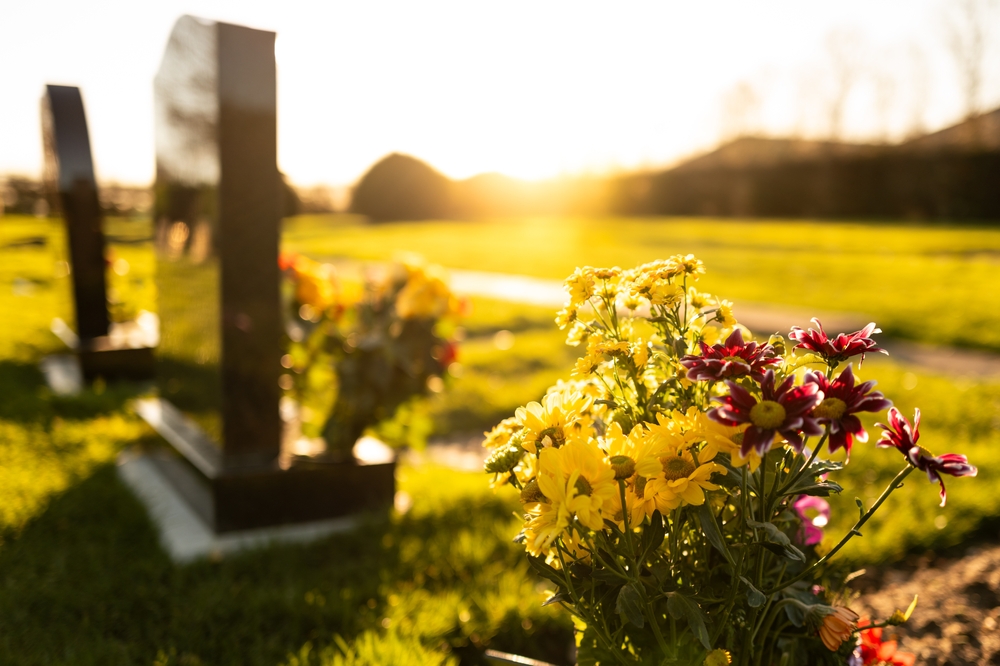
Grief is one of the most complex emotional experiences a person can go through. When losing someone as the seasons change, our surroundings can either amplify our pain or gently guide us toward healing. Nature’s cycle mirrors the rise and fall of life itself, offering symbolic transitions that often reflect our inner journey. Each season presents its own challenges and comforts, and understanding how seasons affect our healing and coping can provide us with new perspectives.
Spring: Renewal After the Dormancy of Grief
Spring is often seen as the season of rebirth. After the stillness and dormancy of winter, life slowly returns with blossoms and warmth. For those experiencing grief, this season can be a reminder that life continues even after deep loss. While the pain of losing a loved one does not vanish, spring offers a gentle nudge that renewal is possible.
In early grief, the first blooms may feel painful reminders that the person you lost cannot witness them with you. Yet, the persistence of growth can also be comforting. Spring teaches us that even after the coldest, hardest stretches, change comes. Ways to use the seasons to cope with personal loss in spring often involve planting something in memory of a loved one, taking walks outdoors to reconnect with nature, or journaling about renewal while acknowledging sorrow.
As days grow longer, many find their mood lightens, offering a contrast to the weight of grief. This shift does not erase pain, but it can provide the energy to take one more step forward. Spring reminds us that beginnings and endings are forever intertwined, and that healing may quietly take root in the most unexpected moments.
Summer: Heat, Light, and the Burden of Memory
Summer carries with it long days filled with activity, but for those in mourning, the season can highlight feelings of disconnection. While others gather for vacations, barbecues, and celebrations, someone in grief may feel out of step with the world. Losing someone as the seasons change into summer can amplify loneliness because life seems to demand joy that may feel impossible.
Yet summer also offers warmth and light, which can nurture the healing process. The sun’s consistency provides a daily reminder that life continues to rise each morning. Many find that being near water in summer, whether at the ocean, a lake, or a pool, provides a sense of release, echoing the ebb and flow of emotions.
Ways to use the seasons to cope with personal loss in summer may include finding intentional quiet in nature, allowing yourself space away from social obligations, or planning meaningful rituals. Some light a candle at sunset in memory of their loved one, creating a daily practice that honors both the person lost and the season’s beauty. Though grief does not disappear, summer can offer a chance to integrate lightness alongside sorrow, allowing small moments of peace to exist even within pain.
Fall: The Season of Letting Go
Losing loved ones in the Fall brings a unique poignancy. Autumn is already a time of transition, when trees shed their leaves and the days grow shorter. For many, this season’s natural symbols of letting go resonate deeply with the grieving process. The falling leaves may feel like nature’s acknowledgment of your own loss, mirroring the emptiness left behind.
Fall is often filled with family gatherings and traditions, which can be particularly painful after the death of a loved one. Holidays like Thanksgiving can stir both gratitude for memories and sorrow for absence. This duality can make grief feel sharper, but it can also create opportunities to honor traditions in new ways.
How seasons affect our healing and coping is especially evident in autumn. The visual shift in the world around us reminds us that change is constant and inevitable. Some people find comfort in creating rituals tied to the season, such as collecting fallen leaves to represent memories, or preparing favorite seasonal foods that their loved one enjoyed. Fall teaches us that release does not mean forgetting; it is a way of carrying forward love in different forms.
Winter: The Stillness of Reflection
Winter is perhaps the most difficult season for those grieving. The cold, long nights and bare landscapes can mirror the emptiness that loss brings. Holidays like Christmas and New Year’s emphasize togetherness, often highlighting who is missing rather than who is present. For those losing someone as the seasons change into winter, grief can feel heavier, intensified by the quiet of the season.
Yet winter’s stillness also offers room for reflection. It is a season that invites us inward, giving us permission to slow down and tend to our grief without distraction. In the depth of sorrow, winter can serve as a reminder that rest is a part of healing.
Ways to use the seasons to cope with personal loss in winter might include creating small indoor rituals of comfort, such as lighting a fire or journaling by candlelight. Some find solace in starting a new tradition during this time, one that honors their loved one in a gentle and personal way. Winter may feel endless, but it also sets the stage for spring’s return. The cycle of seasons reminds us that even in the harshest cold, change is coming.
Finding Meaning in the Seasonal Cycle
When losing someone as the seasons change, the natural rhythm of the year can become an unexpected companion. Each season reflects a stage of grief: renewal, heaviness, letting go, stillness. Though grief is not linear, the seasons remind us that no stage lasts forever. The passage of time, marked by nature’s changes, can help us notice that while pain may never fully leave, it evolves.
How seasons affect our healing and coping lies in their symbolism and their physical impact on our lives. Longer days of light can ease sadness, while shorter days invite reflection. The cycle of growth, flourishing, shedding, and resting reflects both the human experience of life and the painful process of loss. By attuning ourselves to these patterns, we can find ways to carry grief while still moving forward.
Ways to use the seasons to cope with personal loss can include creating meaningful rituals tied to nature’s changes, allowing yourself to rest during heavy periods, and embracing the healing opportunities each season provides. This connection between the external world and our inner emotions offers a path through grief that feels both grounding and hopeful.
Conclusion
Loss is a deeply personal journey, yet it unfolds within the larger cycles of life and nature. Losing loved ones in the Fall, or in any season, connects our private sorrow to a universal rhythm of change. While grief can feel endless, the seasons remind us that nothing remains fixed. Spring offers renewal, summer provides warmth, autumn teaches release, and winter allows reflection.
By noticing how seasons affect our healing and coping, we gain tools to navigate grief with greater awareness. Embracing ways to use the seasons to cope with personal loss does not erase pain, but it can create a sense of harmony between our inner struggles and the world around us. In every shift of the wind, every falling leaf, and every lengthening day, there is a reminder that while loss is part of life, so too is the possibility of growth and renewal.
Losing a loved one is one of life’s most challenging experiences, and navigating the aftermath can feel overwhelming. Grief affects every aspect of life — emotionally, mentally, and physically — making it essential to seek the right support. From understanding where to find grief counseling to knowing what to do to face depression after a loved one’s passing, the journey is deeply personal but made easier when you have access to the proper resources. This guide will help you understand how to find good resources after losing a loved one and how to cope with your grief while taking meaningful steps toward healing.
The Stages of Grief
Grief is a natural response to loss, and it can manifest in many ways. While everyone’s journey is different, understanding the stages of grief can help you recognize what you’re experiencing. According to the Kübler-Ross model, grief often moves through five stages: denial, anger, bargaining, depression, and acceptance. However, these stages are not linear; you may move back and forth between them or experience several at once.
Recognizing these stages can provide clarity as you navigate your emotions. For example, denial might help you process the initial shock, while anger can stem from the deep frustration of losing someone you love. Bargaining often involves “what-if” scenarios, while depression can bring a sense of emptiness or withdrawal. Acceptance doesn’t mean forgetting or “moving on” but finding ways to live with the loss while honoring your loved one’s memory.
During this time, it’s critical to seek support. One of the most helpful steps is understanding where to find grief counseling that matches your needs, whether through individual therapy, support groups, or online resources. Grief counselors can help you process complex emotions, identify healthy coping mechanisms, and guide you toward acceptance without rushing your healing.
Where to Find Grief Counseling and Support Systems
When faced with overwhelming loss, knowing where to find grief counseling is essential for emotional recovery. Grief counselors are trained professionals who specialize in helping individuals navigate the complexities of loss. Many organizations offer counseling tailored to different circumstances, including the death of a spouse, child, parent, or friend.
Local mental health clinics, hospices, and hospitals often provide grief support groups where you can share your experiences with others going through similar challenges. Community centers and religious organizations may also offer free or low-cost counseling sessions. Online therapy platforms have made accessing help more convenient, especially for those who prefer privacy or face mobility challenges. Additionally, nonprofit organizations like the National Alliance for Grieving Children and the American Counseling Association provide directories to locate qualified professionals in your area.
Friends and family can also serve as vital support systems during this time. While they may not have professional training, their presence and understanding can help reduce feelings of isolation. Talking openly about your emotions and allowing loved ones to be part of your healing process can make a significant difference.
Coping With Your Grief and Managing Emotional Turmoil
Coping with your grief requires patience and self-compassion. It’s natural to want to “get back to normal,” but healing takes time and cannot be rushed. Healthy coping strategies can make the grieving process less overwhelming and help you regain emotional balance.
One effective approach is journaling your thoughts and feelings, which provides a safe outlet for emotions you might not feel comfortable sharing. Creative outlets such as painting, music, or writing letters to your loved one can also offer therapeutic relief. Maintaining daily routines — even small ones like eating meals on time or taking short walks — can help you regain a sense of stability when everything feels uncertain.
Physical well-being is equally important. Grief can take a toll on your body, so getting enough rest, eating nourishing meals, and engaging in light exercise can positively influence your mental state. Mindfulness practices such as meditation, breathing exercises, and yoga can reduce stress and help you remain present in the moment.
However, it’s essential to remember that grief is not something you have to face alone. Seeking guidance from trained professionals ensures you have the right tools and support to manage overwhelming emotions. Learning how to find good resources after losing a loved one can help you take meaningful steps toward emotional recovery.
How to Find Good Resources After Losing a Loved One
The grieving process can feel isolating, but numerous resources exist to provide comfort, education, and community. Learning how to find good resources after losing a loved one starts with knowing where to look and identifying the type of support you need.
For educational materials, books on grief and loss can provide valuable insights into coping strategies and emotional understanding. Libraries and bookstores often carry titles specifically designed to guide individuals through mourning. Online forums and grief-related websites also offer a space where you can connect with others, ask questions, and share your experiences in a supportive environment.
For those seeking structured guidance, workshops and seminars focused on grief recovery can be transformative. These events often include expert speakers, therapeutic activities, and peer interaction, helping participants develop practical coping mechanisms. Hospice programs and community-based organizations frequently host these events at little to no cost.
Technology has made support more accessible than ever before. Mobile apps focused on mindfulness, mental health tracking, and guided meditation can complement other forms of therapy. Social media communities also provide spaces where individuals share resources, personal stories, and encouragement to help one another through difficult times.
By combining professional assistance, self-help tools, and community-based support, you create a strong foundation for healing. Having multiple sources of guidance ensures that you are not only coping with your grief but also finding new ways to rebuild your life after loss.
What to Do to Face Depression After a Loved One’s Passing
For many, grief can develop into clinical depression, especially if left unaddressed. Understanding what to do to face depression after a loved one’s passing is crucial for long-term emotional well-being. Unlike temporary sadness, depression can deeply affect your motivation, energy levels, and ability to function day-to-day.
First, acknowledge the signs. Persistent feelings of hopelessness, trouble sleeping, loss of appetite, and withdrawal from activities you once enjoyed can signal depression. Recognizing these symptoms is the first step in getting help.
Professional intervention can be incredibly effective. Therapists and psychiatrists can provide treatment options such as talk therapy, cognitive-behavioral therapy (CBT), and, when necessary, medication to manage severe symptoms. Combining therapy with grief counseling can create a holistic approach to emotional healing.
Building a strong support network is equally important. Surround yourself with understanding friends, family, and community groups who can listen without judgment. Support groups designed for grieving individuals are particularly helpful because they connect you with others who truly understand what you’re going through.
Finally, take small, intentional steps toward self-care. Engage in daily routines, even when it feels difficult, and set manageable goals to regain structure in your life. Activities like walking in nature, practicing relaxation techniques, and spending time with loved ones can reduce emotional strain and create space for healing.
If depression begins to feel unmanageable or leads to thoughts of self-harm, seek immediate help from a mental health crisis line or emergency services. There is no shame in reaching out for support; prioritizing your mental health is an essential part of the recovery process.
Conclusion
Grieving the loss of a loved one is never easy, and there is no one-size-fits-all approach to healing. However, understanding where to find grief counseling, learning how to find good resources after losing a loved one, and developing healthy coping strategies are critical steps toward emotional recovery. Seeking professional help, leaning on community support, and prioritizing self-care can make the journey more manageable.
Facing depression after a loved one’s passing requires courage and compassion for yourself. By taking advantage of available resources and building a strong support system, you can navigate grief with greater resilience. Healing doesn’t mean forgetting your loved one; it means honoring their memory while learning to live fully again. The path may be difficult, but with the right tools and connections, it is possible to find peace and rebuild your sense of purpose.
Honoring familial traditions in Fresno, CA today may sometimes seem challenging amidst busy schedules and shifting societal norms. Yet, these traditions hold the key to preserving family values, instilling a sense of identity, and fostering meaningful connections across generations. In Fresno, where community bonds and cultural diversity thrive, families often cherish long-standing rituals, from Sunday dinners to annual holiday gatherings.
Honoring these traditions offers more than nostalgia; it provides continuity in an ever-changing world. Parents and grandparents in Fresno serve as custodians of history, passing down recipes, storytelling practices, and community festivals that help younger generations understand where they come from. These activities aren’t static; modern families adapt old traditions to suit contemporary lifestyles, blending technology and convenience with cultural heritage. For instance, a traditional family meal might now include virtual participation via video calls, allowing distant relatives to partake in Fresno family reunions.
Keeping Your Loved Ones Alive Through Tradition in Fresno, CA
Tradition is a powerful vessel for keeping your loved ones alive through tradition, Fresno, CA families have found. After the loss of a loved one, the emotional vacuum they leave behind can feel overwhelming. In such moments, rituals and traditions act as anchors, grounding families and offering a sense of continuity. Celebrating the holidays as they once did, preparing their signature dishes, or sharing stories about them at gatherings can bring comfort.
Many Fresno families incorporate modern memorial practices into these time-honored customs. Creating digital photo albums, social media remembrance pages, or even dedicating family events to the memory of a loved one are all ways to bridge the gap between tradition and modernity. It’s not uncommon to see Fresno households hosting memorial dinners where a loved one’s favorite meal is prepared, their favorite music played, and their life story shared with younger family members.
In Fresno’s culturally rich environment, ethnic and cultural traditions offer a profound means of connection. Mexican Día de los Muertos altars, Southeast Asian remembrance ceremonies, and Armenian family feasts are just some examples of how Fresno families keep the spirits of their ancestors alive while engaging the younger generation in the process. These practices aren’t just about remembering the past—they’re about embedding loved ones into the living fabric of everyday life.
Preserving Time-Honored Traditions After a Loved One Has Passed in Fresno, CA
Time-honored traditions after a loved one has passed, Fresno, CA residents understand, play a crucial role in healing and community cohesion. Each tradition serves as a narrative thread weaving the past into the present. Preserving these practices is a collective endeavor, where every family member contributes to keeping the story alive.
Some Fresno families choose to formalize traditions by documenting them. Recipe books, video interviews with elders, and written family histories ensure that cherished customs are not lost over time. Fresno’s libraries, cultural centers, and local organizations often provide workshops and resources for families seeking to capture and maintain their unique heritage.
Another way families in Fresno preserve traditions is through public participation. Community festivals, religious ceremonies, and cultural events offer platforms where personal family customs blend with collective expressions of heritage. Participating in local parades, hosting neighborhood potlucks, or contributing to church services allows traditions to extend beyond the immediate family unit, integrating them into the community’s larger identity.
Even as new technologies reshape how we connect and communicate, traditions anchored in physical experience—cooking, gathering, storytelling—retain a sacred place. The key to preserving these traditions lies not in resisting change but in embracing adaptation. Families can modernize without losing essence, finding innovative ways to honor the past in their present-day lives.
Adapting Traditions Without Losing Their Essence
Modern families often grapple with the balance between change and preservation. In Fresno, where lifestyles evolve alongside technological advancements, families are learning to adapt traditions without compromising their original meanings. The key lies in intentionality—understanding why a tradition exists and ensuring that its core message endures even as the form changes.
Consider a Fresno family whose annual holiday gathering used to include everyone physically present in one home. Modern constraints like geographical distance and work obligations may prevent full participation. Yet, by using video conferencing platforms and shared online photo albums, the tradition continues with everyone involved. It’s the togetherness that matters, not the exact logistics.
Similarly, cooking traditional meals may once have been a labor-intensive process reserved for family elders. In today’s busy world, many Fresno families simplify recipes or use meal kits while still involving children in preparation, ensuring cultural dishes don’t vanish due to modern time pressures. The act of cooking together keeps the ritual alive, even if the methods change.
Schools and local organizations also play a role. Fresno’s multicultural schools encourage students to explore their heritage through projects, presentations, and cultural fairs. These academic activities allow traditions to evolve in educational settings, where children reinterpret their cultural roots in ways relevant to their modern lives.
In all these adaptations, the thread of continuity remains the same: preserving connection, fostering belonging, and transmitting values from generation to generation.
The Future of Tradition in a Rapidly Changing World
Looking forward, the future of tradition hinges on flexibility and collective effort. Fresno’s diverse community stands as a testament to how traditions can both endure and evolve simultaneously. Families, educators, and community leaders all share responsibility for ensuring that traditions remain accessible and relevant.
Technology will likely play an even greater role. Future generations in Fresno may rely on virtual reality to recreate ancestral homes, immersive storytelling apps to learn languages, or AI-driven family history archives. Yet, the emotional core of traditions—the shared human experience—will always demand authentic participation. There’s no substitute for the warmth of a shared meal, the solemnity of a memorial ceremony, or the joy of family gatherings.
Ultimately, honoring familial traditions in Fresno, CA, and keeping your loved ones alive through tradition isn’t about resisting change. It’s about understanding that traditions are living practices. They grow, shift, and adapt, reflecting the needs of each generation while retaining the wisdom of those who came before. By blending time-honored traditions after a loved one has passed with modern tools and lifestyles, Fresno families can ensure that their cultural legacies not only survive but thrive in the modern era.
In doing so, every story told, every meal shared, and every tradition passed down becomes a tribute—not just to the past but to a future where identity, connection, and memory remain sacred pillars of family and community life.
Grief, in any age, is deeply personal, unique, and often life-altering. But the modern world—with its digital connectivity, accelerated lifestyles, and evolving support systems—has transformed the way people experience and process grief. While some aspects of mourning remain timeless, such as the pain of losing a loved one or the need for community support, others have changed dramatically. From grief counseling online to digital memorials, the landscape of loss is no longer confined to traditional boundaries. This blog delves into how grief manifests in today’s world, explores new avenues of support, and discusses how individuals can navigate loss while embracing the tools of our age.
The Digital Transformation of Grieving
The arrival of the digital age has significantly impacted how people mourn and remember those they’ve lost. Social media platforms often become memorial spaces, where friends and family gather to post tributes, share memories, and offer condolences. This shift has provided a space for continued connection with the deceased, as well as public acknowledgment of one’s grief. While this can be a source of comfort, it also introduces complexities such as privacy concerns, comparison of grief experiences, or even digital fatigue.
Additionally, the availability of grief counseling online means that support is no longer limited by geography. People in remote areas or those with mobility limitations can now access licensed therapists and grief specialists with a few clicks. This has democratized mental health care, making it possible for more individuals to receive timely and tailored emotional support. Online memorial services, virtual wakes, and livestreamed funerals have also emerged, especially during the COVID-19 pandemic, allowing mourners from around the globe to participate in communal rituals of remembrance.
In some ways, digital grieving offers more continuity. Instead of being forced to say goodbye in a single service, loved ones can return to memorial pages or revisit conversations and photos at their own pace. However, this accessibility also means that the process of letting go can be prolonged or re-triggered by memories appearing unexpectedly in social feeds or digital archives. Managing digital grief requires intentionality, boundaries, and sometimes professional help to make sense of emotions that fluctuate between healing and distress.
The Role of Professional Support in Healing
In recent years, there has been a growing recognition of the importance of structured, professional care in the grieving process. Traditional support groups and in-person therapy have been effective for decades, but they are not always accessible, especially in underserved communities or for individuals balancing demanding schedules. This is where professional grief care online has become a game-changer.
Therapists who specialize in bereavement are now offering virtual sessions tailored to different types of loss: the death of a partner, parent, child, pet, or even anticipatory grief during terminal illness. These professionals often use evidence-based approaches like cognitive-behavioral therapy (CBT), narrative therapy, or mindfulness techniques to guide individuals through their sorrow. Because of the online format, patients can attend sessions from the comfort and privacy of their homes, which can foster openness and consistency in treatment.
Moreover, many online platforms are equipped with resources beyond therapy. These may include guided journals, mindfulness exercises, grief education webinars, and moderated forums where individuals can share their experiences. This holistic approach helps normalize the grieving process and provides multiple entry points for support, catering to different emotional needs and learning styles.
There’s also a greater emphasis now on culturally competent care, where grief counselors are trained to recognize how cultural backgrounds influence mourning rituals, expressions of grief, and community involvement. Whether it’s honoring Día de los Muertos or following Islamic janazah rites, online grief services are increasingly inclusive, enabling people to mourn in ways that resonate with their identity and values.
Finding Community in Online Support Networks
Isolation often exacerbates the pain of grief. Historically, community—be it through religious institutions, neighborhoods, or extended families—has played a vital role in supporting those who mourn. But in today’s increasingly fragmented and mobile societies, these traditional structures are often lacking or difficult to access. That’s where online support for family who’ve suffered loss steps in as a powerful antidote to loneliness.
Grief-focused forums, Facebook groups, and mobile apps now allow people to connect with others undergoing similar experiences. These communities can be general or highly specific, such as groups for parents who’ve lost children to illness, widows under 40, or individuals grieving after suicide or overdose. The specificity ensures that members find others who truly understand their unique pain and challenges.
These networks are not only places for catharsis but also sources of practical advice. Members often share coping strategies, book recommendations, rituals, and ideas for commemorating anniversaries. Some groups also invite professionals—therapists, clergy, or grief educators—to host Q&A sessions or webinars. This blend of peer and professional insight makes online grief communities dynamic and adaptive.
Nonetheless, it’s essential to approach these spaces with care. Not all advice is created equal, and personal boundaries must be respected. Still, for many, the mere act of being heard and validated in a space free from judgment can be profoundly healing. These communities echo the ancient human need for shared mourning while offering a modern infrastructure to fulfill it.
The Complicated Grief of the Modern World
While digital tools and communities can be supportive, they cannot shield people from the complex nature of grief in the 21st century. One of the emerging challenges is the phenomenon of “disenfranchised grief”—a type of mourning that is not recognized or socially validated. This can include the loss of a pet, a miscarriage, the death of an ex-partner, or even the loss of a job or dream. Without societal acknowledgment, individuals may suppress their grief or feel ashamed of their sorrow, compounding emotional pain.
In the modern world, where productivity is prized, people often feel pressured to “move on” quickly. Bereavement leave is limited in many workplaces, and societal messaging can minimize grief, encouraging quick recoveries. This rush can cause unresolved feelings to fester, leading to complications like prolonged grief disorder (PGD) or depression. Professional grief care online can help combat this by providing validation, structured coping strategies, and a safe space to unpack suppressed emotions.
Another facet of modern grief is anticipatory loss. With the prevalence of chronic illnesses and the aging population, many individuals are grieving before a death even occurs. The emotional toll of watching a loved one slowly decline can be just as heavy as the loss itself. Online counseling and support groups tailored to caregivers and pre-loss situations are now more available, addressing this deeply nuanced form of sorrow.
Moreover, grief today often intersects with other global challenges—climate anxiety, political unrest, and social injustice. These layered losses create a broader sense of existential mourning that complicates personal grief. It’s not uncommon for individuals to feel guilty for mourning when the world seems to be in crisis. Here again, access to educated, empathetic grief professionals online becomes a critical lifeline, helping individuals hold space for their pain amid a chaotic backdrop.
Navigating Grief with Compassion and Intention
Ultimately, navigating grief in the modern age requires a blend of ancient wisdom and contemporary tools. There is no single “right” way to grieve, and healing is neither linear nor universal. What matters most is that individuals give themselves permission to mourn in ways that align with their emotional, spiritual, and social needs.
For some, this might mean unplugging from digital platforms and spending time in nature or practicing rituals passed down through generations. For others, it might involve daily check-ins with an online therapist or sharing memories in a virtual community. The key is intentionality—choosing support systems that resonate rather than reacting to societal expectations or digital noise.
Creating personal rituals can also be a source of strength. Lighting a candle each evening, writing letters to the deceased, or creating art inspired by memories are small but powerful acts of continuity and expression. These practices bridge the gap between presence and absence, grounding individuals in their grief while helping them move forward with purpose.
Lastly, it’s important to normalize seeking help. Grief is not a weakness; it is a testament to love. Utilizing grief counseling online or joining a support forum is not a sign of fragility but of courage. It means choosing healing, connection, and hope in a world that often demands detachment and speed.
Conclusion
In this modern age, we may have lost some of the communal rituals and slow rhythms of traditional mourning, but we have gained unprecedented access to knowledge, support, and shared experience. By embracing these tools with care and compassion, we can navigate grief not just as an inevitable chapter of life, but as a deeply human experience that binds us across time, culture, and connection.
The sun-drenched days of summer are often linked with joy, freedom, and vacation. It’s a season where laughter floats through the air, and memories are made under golden light. But for those dealing with grief during the summer, the contrast between personal sorrow and the world’s exuberance can be painfully stark. Whether you’re navigating the immediate aftermath of losing a loved one in the summer or carrying grief from seasons past, the journey can feel especially isolating when everyone else seems to be celebrating. This blog explores the complexities of grieving during this vibrant time and offers compassionate insights into finding healing.
The Cruel Juxtaposition of Summer and Sorrow
When we think of summer, we picture backyard barbecues, sandy beaches, and long, carefree evenings. These expectations are socially reinforced, making the experience of grief during the summer particularly jarring. For someone grappling with the loss of a loved one, these sunny months can feel like a cruel joke—a season that amplifies what’s missing rather than offering respite.
Grief is already disorienting in any season, but the emotional dissonance during summer can intensify feelings of alienation. While the world continues spinning—children laughing, families vacationing—grievers often feel suspended in a different reality. This can bring about guilt, frustration, or even numbness. The brightness of summer may clash with internal darkness, creating an emotional divide that’s hard to bridge.
Moreover, logistical realities of summer may make things worse. If the person you’ve lost used to participate in or plan seasonal activities, their absence is deeply felt. Empty lounge chairs, unopened camping gear, or missed road trips become painful reminders of the life you once shared. Losing a loved one in the summer means confronting these reminders when emotional wounds are fresh and raw.
Rituals and Routines Disrupted by Summer Grief
Grief has no timetable, and during the summer, routines that usually offer comfort are often disrupted. School breaks, vacations, and irregular schedules mean less structure—something many people lean on when mourning. This lack of predictability can increase emotional volatility, making it harder to process grief in a healthy, consistent way.
In addition, many support systems tend to thin out during the summer. Therapy groups may go on hiatus, counselors may take vacation, and even friends may be more difficult to reach. When your world has been turned upside down, these gaps in care can make you feel adrift. The isolation that accompanies grief is compounded by the seasonal ebb in available emotional resources.
Summer also brings with it a physical heat that mirrors emotional exhaustion. Fatigue, irritability, and even anxiety can feel more intense under the scorching sun. For people who are already struggling to get out of bed or eat regularly due to grief, these physical discomforts only add to the burden. In such moments, it’s easy to feel like you’re the only one suffering while the rest of the world thrives.
How to Find Help After Losing a Loved One During the Summer
Even though summer can feel like a lonely time to grieve, it’s essential to know that help is available. The first step in healing is to acknowledge your loss and give yourself permission to feel. There’s no right way to grieve, and your pain doesn’t need to follow a seasonal script. It’s okay to say no to beach days or barbecues. It’s okay to cry when fireworks go off. Your feelings are valid, and you’re not alone in them.
One way to begin finding help is through online grief support groups. These communities operate year-round and can provide a sense of solidarity, especially when local options are limited. Talking to others who are experiencing similar losses can validate your emotions and help you feel less isolated. Professional grief counselors who offer virtual sessions are another lifeline when in-person therapy isn’t possible.
Religious or spiritual communities often provide comfort, especially during periods of grief. Even if you’re not typically spiritual, rituals like lighting a candle or saying a prayer can offer solace and a sense of connection. Many churches, temples, and spiritual centers also host summer retreats or workshops that focus on healing and reflection.
It’s also crucial to create your own rituals. If you lost someone who loved the beach, visit their favorite spot and bring along a memory or memento. If you shared a love for summer music, create a playlist that honors their spirit. These small acts can bring moments of peace and connection, gently easing the ache of their absence.
Honoring the Person You Lost While Living Through Summer
Summer may always carry echoes of your loss, but it can also become a season for remembrance and growth. Honoring your loved one doesn’t have to be grand—it can be as simple as telling stories about them at a picnic, planting flowers in their name, or cooking their favorite seasonal dish. By weaving their memory into the season, you create a bridge between love and loss that can be surprisingly healing.
You might also consider a small act of service in their name. Donate to a summer camp scholarship fund, volunteer for a community event, or help someone else who’s grieving. Channeling your pain into purpose doesn’t erase grief, but it offers a sense of continuity—a way to carry the person forward in your heart.
Journaling during the summer can also be incredibly therapeutic. Writing down what you’re feeling, what you miss, or even the daily routines that remind you of your loved one helps externalize the pain. Over time, these entries can show how far you’ve come and help you understand the rhythms of your grief.
And finally, don’t be afraid to find moments of joy. Laughing doesn’t betray your grief—it honors your capacity to keep living. The person you lost wouldn’t want your summer—or your life—to be devoid of light forever. When you smile at a sunset or enjoy an ice cream cone, you’re not moving on; you’re moving with the memory of someone you loved.
When You’re Ready: Reimagining Future Summers
Grief is not a linear journey, and its impact on each summer may evolve. The first year might be the hardest, but future summers will still carry twinges of longing. And that’s okay. As time passes, you’ll find new ways to coexist with your loss. You may start new traditions, revisit old ones with fresh eyes, or create quiet moments of reflection amidst the noise of summer celebration.
Reimagining summer doesn’t mean forgetting—it means finding space for both memory and new experience. Maybe you travel somewhere new to honor a shared dream, or maybe you stay home and make room for stillness. The important thing is to listen to your needs, which may change with each passing year.
Even when you least expect it, hope can find you. It might be in the warmth of sun on your skin, the laughter of children playing nearby, or a song that brings back a beautiful memory. These moments don’t erase the grief, but they remind you that healing is possible, even in the most unlikely season.
Ultimately, facing loss during the summer demands courage, compassion, and patience. It requires you to navigate a world out of sync with your internal reality, but it also offers moments of quiet beauty and healing if you’re open to them. You’re not broken, and you’re not alone. In time, summer may once again hold joy—not in spite of your loss, but in gentle honor of the love that came before it.