Casket vs. Cremation Urn: Understanding Your Memorial Options
When a loved one passes, families face one of the most personal and emotionally weighted decisions imaginable: how to lay that person to rest. The choice between funeral caskets and urns sits at the center of that decision, and it touches on everything from cultural traditions and personal beliefs to practical finances and long-term memorial preferences. Whether you are doing advance planning for yourself or navigating the immediate needs of a family in grief, understanding your burial vs cremation options is an important step toward making a choice that truly honors the person you love.
For families in Fresno and throughout California’s Central Valley, these decisions carry the same weight as anywhere else in the country. Local funeral providers offer meaningful guidance, but the more informed you are going in, the more confident and at peace you will feel about the path you choose. This guide walks you through the key differences, costs, emotional considerations, and practical factors involved in memorial planning today.
What Is a Casket and When Is It Used?
A casket is a container designed to hold the body of the deceased, typically used when a traditional burial is planned. Caskets come in a wide range of materials, including wood, steel, bronze, and even eco-friendly biodegradable options. The style, finish, and interior lining can all be customized to reflect the personality and preferences of the person being honored.
The primary distinction between a casket and an urn lies in how they are used. Caskets are traditionally utilized for burials, while urns contain the ashes of the deceased after cremation. If a traditional cemetery burial is what the family or the deceased preferred, a casket is a standard requirement. Caskets, especially those made of high-end materials like mahogany or bronze, are generally more expensive than urns.
Beyond cost and material, caskets also carry deep cultural and religious significance for many families. For those whose faith traditions call for the body to be buried whole, a casket is not simply a practical choice but a spiritual one. Many families in Fresno reflect a rich variety of cultural backgrounds, and for communities where traditional burial rites are central to honoring the dead, the selection of the right casket is an act of love and respect.
What Is a Cremation Urn and What Are Your Options?
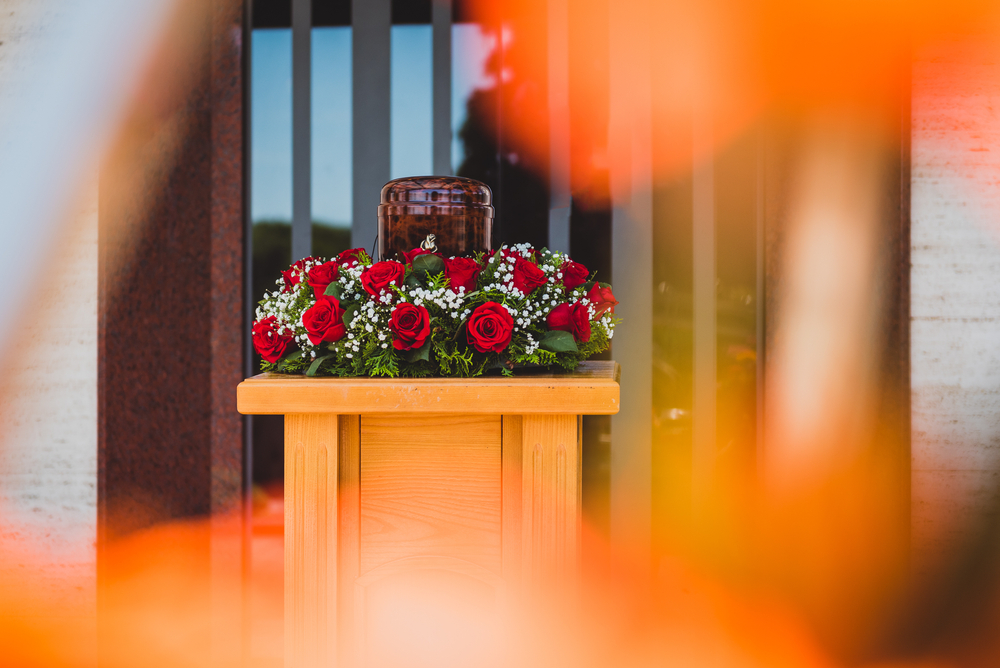
A cremation urn is a container chosen to hold the cremated remains, commonly called ashes, after a body has been cremated. Urns vary enormously in style, material, size, and purpose. Families can choose a simple container, an ornately engraved vessel, a biodegradable urn designed for scattering in nature, or a keepsake urn meant to be divided among multiple family members.
The types of containers for ashes are as varied as the options for what to do with ashes, and they range in cost from free to thousands of dollars. Your plans for your loved one’s ashes will dictate this choice. To give a loved one a permanent resting place in a mausoleum niche, you may want to purchase a more formal urn. To host a scattering service at a meaningful location, a scattering urn or a simple container may be the better fit.
Many urns can be personalized with engravings or custom designs, which can be a meaningful way to commemorate the deceased and create a lasting tribute. Some families prefer to keep the urn at home, while others might choose a columbarium or other memorial site.
For families engaged in memorial planning in Fresno, working with a knowledgeable funeral provider can help narrow down the options and find an urn that suits both the final disposition plan and the family’s sense of beauty and meaning.
Cost Comparison: Caskets vs. Cremation Urns
One of the most significant practical factors in choosing between burial vs cremation options is cost. The financial difference between the two pathways can be substantial, and understanding those numbers helps families plan without added stress during an already difficult time.
The national median cost of a funeral with a viewing and burial is $7,848, while the national median cost of a funeral with cremation is $6,971. Direct cremation with no service typically costs between $2,000 and $5,000.
When it comes to individual items, the price gap becomes even clearer. Simple urns start around $30, but prices can climb to $500 or more for ornate designs. Casket prices vary significantly based on material and design, ranging from $900 for basic models to $10,000 for high-end options. Beyond the casket itself, a traditional burial also involves costs for a burial plot, grave preparation, and a headstone, all of which add up quickly.
Cremation offers the most versatility and opportunity to control costs for those on a budget, while burial costs mount quickly. That said, cost should never be the only consideration. Families who find deep comfort in traditional burial should feel empowered to pursue that path, and many funeral homes offer financing or pre-planning options to make it more manageable.
Environmental Considerations and Modern Trends
More families today are thinking carefully about the environmental impact of their final arrangements. This reflects a broader cultural shift toward sustainability, and it is influencing how people think about both funeral caskets and urns.
Some opt for cremation because it leaves a smaller carbon footprint than traditional burial. However, eco-friendly casket options are also available, like biodegradable caskets that decompose naturally.
On the cremation side, biodegradable urns made from natural materials are increasingly popular among families who want to return remains to the earth or scatter them in meaningful outdoor locations. These urns dissolve in water or break down in soil, making them a thoughtful choice for environmentally conscious families.
The Cremation Association of North America reports a 2024 U.S. cremation rate of 61.8% and projects continued growth in coming years. This trend reflects not just cost preferences but shifting attitudes about memorialization, environmental values, and the desire for more flexible and personalized options. According to the National Funeral Directors Association, the U.S. cremation rate is projected at 63.4% for 2025, with long-term projections continuing to rise.
In Fresno and across the broader Central Valley, families are beginning to explore these alternatives more openly, asking funeral providers to walk them through all available options rather than defaulting to tradition alone.
How to Choose the Right Option for Your Family
Choosing between a casket and a cremation urn is ultimately a deeply personal decision, shaped by the wishes of the deceased, the beliefs of the family, and the practical realities of the moment. There is no universally correct answer, only the answer that feels most true and most honoring to the life that was lived.
By understanding the differences and carefully considering your options, you can make a choice that honors the memory of your loved one in a meaningful and respectful way. When considering a casket, think about the type of burial planned, the cemetery or mausoleum involved, and the cultural or religious expectations of your family. When considering an urn, think about where the ashes will ultimately rest, whether that is at home, in a columbarium, scattered in a meaningful place, or interred in a cemetery.
Pre-planning is one of the most generous gifts a person can leave their family. By documenting your preferences in advance, you lift the burden of difficult decisions from the shoulders of grieving loved ones. Many funeral homes in Fresno offer pre-arrangement consultations that allow individuals to walk through their options, ask questions, and secure arrangements at today’s prices.
In the United States, the most important baseline protection for consumers is the Federal Trade Commission’s Funeral Rule, which governs how funeral providers present options and prices for certain services. Knowing your rights as a consumer means you can ask for itemized pricing, compare options across providers, and make choices based on accurate information rather than pressure.
Conclusion
Whether you are drawn to the tradition and permanence of a casket burial or the flexibility and simplicity of a cremation urn, what matters most is that the choice reflects genuine care and intentionality. Memorial planning is not just logistics; it is one final act of love. For families in Fresno and surrounding communities, connecting with a trusted local funeral provider early in the process can make this journey far less overwhelming and far more meaningful.