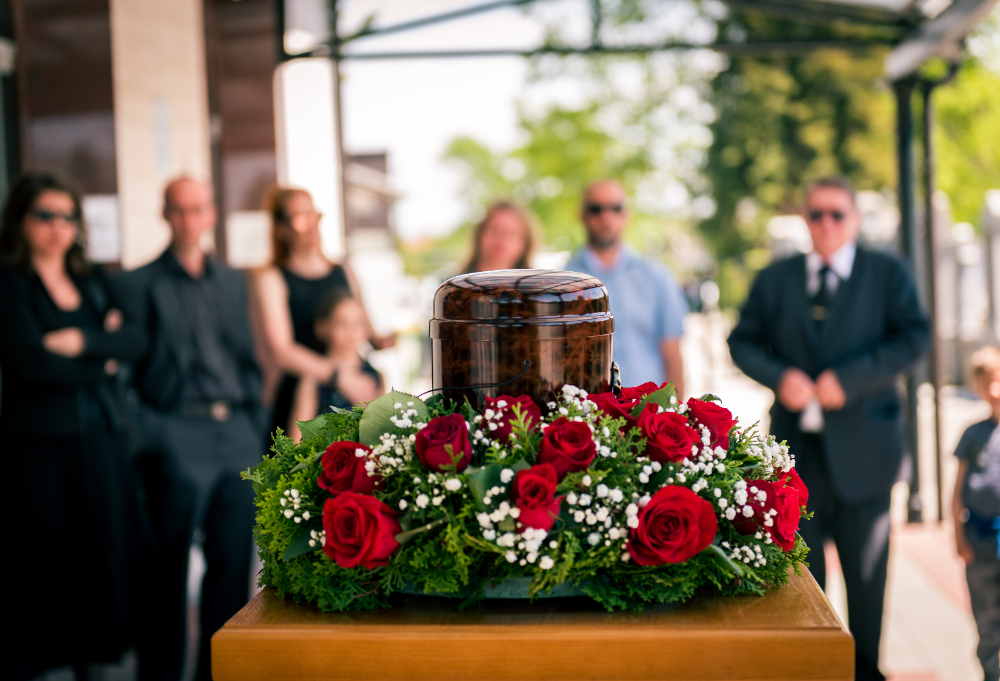
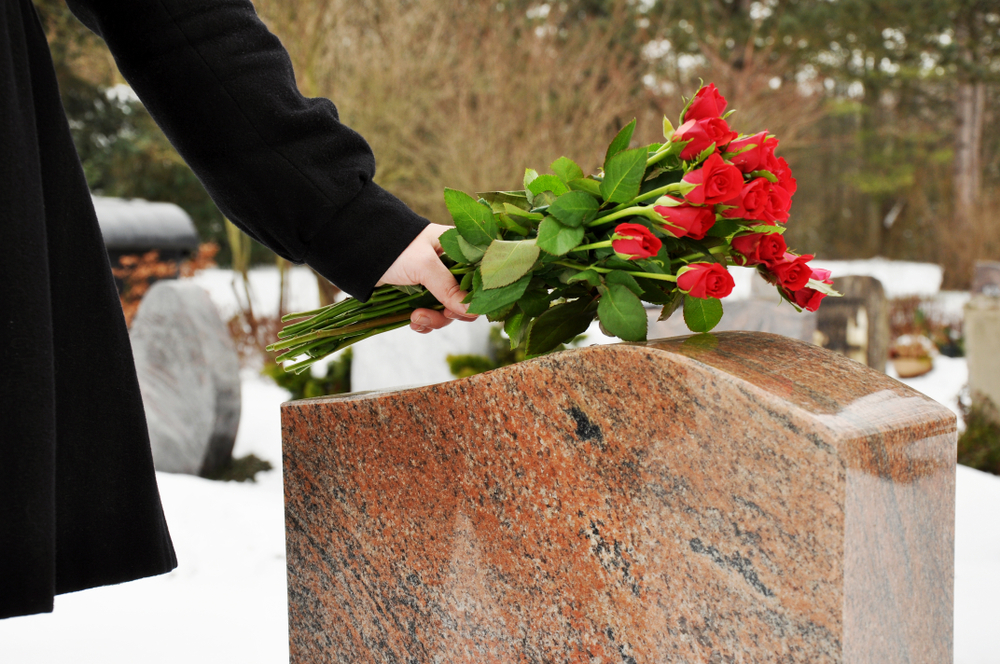
Attending a memorial service can be an emotionally challenging experience, and one of the practical concerns many people face is deciding what to wear. The right funeral attire etiquette helps you show respect to the deceased and their family while allowing you to grieve comfortably. Understanding the proper dress code for a funeral is an important part of honoring the occasion and supporting those who are mourning. This guide will help you navigate funeral outfit ideas and ensure you make appropriate clothing choices that align with respectful funeral attire standards.
The Basic Funeral Dress Code for Men
When it comes to funeral attire etiquette, men generally have a straightforward path to take. The traditional choice for what to wear to a funeral for men is a dark suit in black, dark gray, or dark navy blue. The suit should be well-fitted and made from a quality fabric that demonstrates your respect for the occasion. Pair the suit with a long-sleeved dress shirt in white, light gray, or subtle patterns, along with a conservative tie in dark colors or muted tones.
Shoes are an essential component of proper funeral clothing, and men should opt for polished black dress shoes. Leather oxfords or loafers are ideal choices that convey formality and respect. Socks should be dark and match your suit or shoes. If you don’t own a suit, dress pants with a blazer and dress shirt will also be acceptable. Avoid casual footwear like sneakers, sandals, or athletic shoes at all costs, as these undermine the seriousness of the occasion.
Accessories should be minimal and conservative. A simple watch and wedding band are appropriate, but avoid flashy jewelry or multiple piercings with large gauges. If you wear a pocket watch or have a family heirloom piece of jewelry that holds meaning, a memorial service might be an appropriate time to wear it respectfully. Keep grooming neat with a fresh haircut and clean, well-maintained appearance.
Appropriate Funeral Dress Code for Women
Women have more flexibility when it comes to funeral outfit ideas, but the principle remains the same: choose respectful funeral attire that honors the deceased. The most traditional choice is a black or dark-colored dress, skirt suit, or pantsuit. The hemline should reach at least the knee, and the overall look should be modest and understated. Long-sleeved options are generally more appropriate than sleeveless alternatives, though a sleeveless dress with a cardigan or jacket layered over it is perfectly acceptable.
Proper funeral clothing for women might also include dress pants paired with a dark blouse or sweater. If you’re wearing a dress or skirt, hosiery in black, gray, or nude tones is traditional and recommended. The key is to avoid anything too revealing, too bright, or too casual. A funeral is not the time to showcase trendy fashion or experimental styles.
Footwear should be professional and closed-toe, such as black pumps, flats, or dressy loafers. Avoid overly high heels that might seem inappropriate for a solemn occasion. If mobility is a concern due to age or disability, comfortable black walking shoes are entirely appropriate and respected. Accessories should be kept minimal and subdued, focusing on elegant simplicity rather than statement pieces.
What Not to Wear to a Funeral
Understanding what not to wear to a funeral is just as important as knowing what is appropriate. Avoid bright colors like hot pink, neon yellow, or electric blue, as these convey inappropriate cheerfulness at a solemn occasion. While some cultures and families have moved toward celebrating the life of the deceased with more color, it’s best to stick with darker, muted tones unless explicitly told otherwise by the family.
Don’t wear casual athletic wear such as t-shirts, tank tops, hoodies, or gym clothes. Denim jeans are generally considered too informal for funeral dress code, even when paired with a nice top. Avoid shorts, ripped or distressed clothing, and anything with writing, logos, or graphics that draw attention. Transparent or sheer fabrics without proper underlayers can appear disrespectful, as can anything that exposes excessive amounts of skin.
Jewelry and accessories should be toned down significantly. Avoid large, dangling earrings that jingle or sparkle excessively, multiple visible piercings, or gaudy necklaces. Leave behind chains with large pendants and anything that glimmers or shines too brightly. Heavy makeup and perfume can be distracting, so opt for subtle cosmetics and light fragrance or none at all. Avoid wrinkled, stained, or poorly fitting clothing, as this can appear disrespectful regardless of color.
Special Circumstances and Variations
Different religions, cultures, and families may have specific requirements for funeral dress code that vary from Western traditions. Some religious services have strict guidelines about head coverings, clothing coverage, or gender-specific dress requirements. Always check with the family or funeral home about any specific requests or cultural observances. If you’re unsure, contacting the funeral director or a family member beforehand is a simple way to show respect.
Military funerals, for instance, may have dress uniform requirements for service members, while formal evening memorial services might call for black-tie attire. Professional funerals for colleagues might call for business formal wear similar to what you’d wear to a formal work event. Outdoor graveside services might influence your footwear choice, as you may need to navigate uneven ground. Casual memorial celebrations held after the formal service are sometimes more relaxed, but it’s still important to maintain respectful funeral attire until you receive clear direction otherwise.
If you’re attending a funeral but don’t have access to traditional black or dark clothing due to financial constraints or circumstances, wear the most respectful and formal outfit you have available. People understand that not everyone has a complete formal wardrobe, and most families appreciate your effort to attend and pay respects. The spirit of your presence matters more than having the perfect outfit.
Additional Tips for Respectful Funeral Attire
Beyond the clothing itself, several practical considerations can help you demonstrate respect through your appearance at a memorial service. Ensure your clothes are clean, pressed, and free from wrinkles or stains. Avoid trendy hairstyles or bold hair colors that might draw attention, and keep hair neat and well-groomed. If you color your hair, consider whether a touch-up appointment before the service is feasible.
Proper grooming extends to fingernails, which should be clean and neatly trimmed. Avoid excessive nail polish in bright colors, though subtle tones are fine. Minimize fragrances of all kinds, from perfume to cologne to scented lotions. Strong smells can be overwhelming in enclosed spaces and may bother others who are grieving. Similarly, avoid chewing gum or using breath mints loudly, as these can seem disrespectful during the service.
Consider the practical aspects of your attire as well. Choose comfortable shoes if you know you’ll be standing for extended periods, as you want to be able to pay your respects without being distracted by physical discomfort. Bring a small, dark-colored bag or clutch for necessary items like tissues, but avoid large or colorful bags that seem too casual. If you wear glasses, make sure they’re clean and in good condition. These small details collectively contribute to looking put-together and respectful.
Conclusion
Choosing appropriate funeral attire demonstrates respect for the deceased and compassion for the grieving family. By understanding proper funeral clothing guidelines and avoiding common missteps, you can focus on what truly matters at a memorial service: honoring the person who has passed and supporting their loved ones. When in doubt, darker colors, formal styles, and understated elegance will always be appropriate choices for respectful funeral attire.
Preparing for the inevitable might not be the most comfortable task, but it is one of the most compassionate and practical decisions a person can make. Prearranging funeral and end-of-life services offers clarity, reduces stress, and ensures that final wishes are honored exactly as intended. It is an act of love that lifts the burden off family and friends, giving them peace of mind during an emotionally difficult time. By exploring the advantages of prearrangements and understanding key components such as the pre-need contract, revocable vs. irrevocable trust, and inflation protection, individuals and families can make informed decisions with confidence.
Emotional and Financial Clarity
One of the most important benefits of prearranging is the emotional relief it offers to surviving loved ones. When a person passes away without a plan in place, their family is often left scrambling to make quick, high-pressure decisions about services, merchandise, and disposition preferences. This can lead to conflict, confusion, and unnecessary emotional strain at a time when people should be focusing on healing.
Financially, prearrangements bring predictability. A pre-need contract outlines specific services and merchandise selected before they are needed. This formal agreement locks in choices and pricing details, which means survivors are not left guessing or overspending. Whether choosing a traditional funeral or a more streamlined direct cremation, everything is clearly defined. There is no room for unexpected expenses or last-minute changes, making the planning process smooth and transparent.
Additionally, prearranging allows individuals to explore options thoroughly. They can compare service providers, review packages, and select exactly what aligns with their values and budget. This proactive approach removes the emotional weight from financial decisions and enables families to focus on honoring the life of their loved one.
Funding Options and Legal Considerations
Securing funds for future services is a central part of prearrangements. There are several methods available, each offering distinct advantages depending on personal financial goals. One widely used method is the establishment of a trust. Understanding the difference between a revocable vs. irrevocable trust is essential. A revocable trust gives the purchaser the flexibility to make changes or cancel the plan at any time. On the other hand, an irrevocable trust cannot be altered once established, but it has the benefit of excluding those funds from asset calculations, which can help individuals qualify for Medicaid.
Final expense insurance is another funding method worth considering. This is a life insurance policy specifically designed to cover funeral costs and any remaining medical expenses. Unlike a general life insurance policy, final expense insurance offers a focused purpose and tends to be easier to qualify for, especially for seniors or those with health issues.
Legal documents also play a crucial role in prearrangements. A disposition authorization allows individuals to formally state their preference for burial, cremation, or alternative methods such as green burial. This document ensures that one’s wishes are honored and legally protected, avoiding any potential disputes among surviving family members. By addressing these legal and financial elements in advance, prearrangements create a foundation of certainty and security.
Protection Against Rising Costs
Another compelling reason to prearrange is protection against inflation. The cost of funerals, like all goods and services, tends to rise over time. With inflation protection, individuals can lock in today’s prices for services that may not be needed for years to come. This is especially significant considering the increasing expenses associated with funeral planning, including cemetery fees, transportation, and memorial products.
Inflation protection ensures that the investment made today retains its value in the future. When this feature is included in a pre-need contract, it guarantees that the agreed-upon services will be provided regardless of how much prices increase over time. This alleviates the financial burden on families and secures the quality of service that the individual initially selected. In the absence of this protection, families may be forced to either cover the price difference or compromise on the level of service, neither of which is ideal during a time of grief.
Flexibility and Mobility
Life is full of change, and relocation is a common part of modern living. Whether moving closer to family, settling into retirement in a new state, or transitioning into long-term care, individuals often worry that their prearranged plans will become void. That is where transferability becomes crucial. This clause, included in many pre-need contracts, allows the funeral plan to be transferred to a different provider if the individual relocates.
Transferability offers peace of mind. It ensures that your investment in a prearranged plan follows you, no matter where life takes you. Without it, families might face challenges or financial losses if services are no longer usable due to a change in geography. As part of the planning process, it is important to confirm whether this option is included and how it is executed in the event of a move.
Another aspect of flexibility involves the type of service selected. Direct cremation, for example, is a streamlined and affordable option that appeals to many. This approach eliminates traditional elements like embalming and formal viewings, focusing instead on simplicity and cost savings. Those who choose direct cremation in their prearrangement are making a practical decision that reflects their values while easing the burden on their family.
Preserving Your Legacy
While logistics and finances are vital, prearrangements also offer the chance to create something deeply personal: a legacy. Legacy planning involves more than just choosing flowers or a casket. It includes selecting specific music, readings, and even writing a personal letter or message to be read during the service. It is an opportunity to share stories, values, and memories in a way that brings comfort and connection to loved ones.
This part of the process is often the most meaningful. It allows individuals to reflect on their life, consider what they want to leave behind, and craft a farewell that truly represents who they are. In many ways, legacy planning turns a funeral from a somber event into a celebration of life. It creates space for storytelling and healing, giving families a blueprint to follow that is both practical and emotional.
By incorporating legacy elements into a pre-need contract, the individual ensures that their voice is present even when they are no longer physically there. Families are often deeply grateful for these gestures, which provide comfort, closure, and a lasting memory of love and intentionality.
Conclusion
Prearrangements serve as a thoughtful roadmap that brings clarity, control, and comfort to a complex and emotional process. Through careful planning, individuals can ensure their wishes are respected, their families are protected, and their legacy is honored. Whether funding through a revocable vs. irrevocable trust, safeguarding value with inflation protection, or outlining final wishes in a disposition authorization, every element of a prearranged plan is a step toward peace of mind.
It is not just about financial prudence or legal preparedness. It is about compassion, love, and responsibility. Choosing to prearrange is one of the most empowering actions a person can take. It reflects a life well-lived and a desire to leave behind not uncertainty, but clarity. With prearrangements in place, families are free to grieve, reflect, and celebrate without the weight of decision-making, knowing that everything has been thoughtfully and lovingly prepared.
When January arrives, the world often greets it with excitement, goals, and a sense of renewal. Social media fills with fresh intentions and energetic promises to do more, be better, start over. But if you’re grieving, that energy can feel jarring or even isolating. While others look ahead, you may be holding tightly to the past, aching for someone who won’t be part of this year.
Grief doesn’t recognize the reset of a calendar. It doesn’t follow the pace of resolutions or celebrations. Instead, it demands space, reflection, and a different kind of strength. As you approach the new year in mourning, it’s important to create your own path, one guided by patience, kindness, and a new understanding of progress.
Grief Waves: Moving With the Tides of Emotion
Grief doesn’t move in a straight line. It swells and recedes, often without warning. These emotional surges, known as grief waves, can be triggered by anything from a scent to a song, or the simple realization that someone is missing from a moment they would have cherished.
Rather than resisting these waves, learning to ride them can be healing. Think of it like surfing: you can’t stop the ocean, but you can learn how to keep your balance when the tide shifts. When a wave of emotion hits, let yourself feel it without judgment. Cry if you need to. Sit with the feeling. Give it space instead of pushing it away.
Grief is not something to be “fixed” or outgrown. Feeling these waves doesn’t mean you’re stuck. It means you loved deeply, and that love still echoes. With time, you can become more confident in how you respond, not by controlling grief, but by letting it move through you.
Permission to Pause: Letting Go of Performative Expectations
New Year’s culture often promotes the idea of pushing forward, setting ambitious goals, or socializing your way into a fresh mindset. But when you are grieving, those expectations can feel hollow. Giving yourself permission to pause is one of the most important gifts you can offer yourself.
This may mean opting out of parties, skipping goal-setting sessions, or choosing rest over reinvention. You are not required to join in celebrations or traditions that no longer feel right. Healing takes priority. And it’s perfectly acceptable if your “new year” doesn’t begin with energy, but with stillness.
Choosing to pause is not a retreat. It’s a conscious act of self-respect. If your heart needs quiet, listen. If your body craves rest, allow it. Recovery does not happen on anyone else’s timeline. It begins when you honor where you truly are.
Secondary Loss: Grieving More Than the Person
The loss of a loved one is never just about their absence. It also takes with it the life you shared: the routines, dreams, and roles that defined your relationship. These are known as secondary losses, and they often appear more slowly and quietly than the initial grief.
You might miss their morning texts, the way they cooked a certain meal, or how they made you laugh in ordinary moments. You may feel unanchored now that you’re no longer someone’s partner, sibling, child, or friend in the same way. Or you might feel the weight of plans that will never come to be.
Each of these losses matters. They form part of the full landscape of your grief. By recognizing them, you validate your experience. This isn’t “just” sadness about missing someone. It’s mourning the shape your life used to take with them in it. That loss runs deep, and it deserves acknowledgment.
Continuing Bonds: Holding On in Healthy Ways
In the past, grief was often framed as something to move past, as if the goal was to close a door and walk away. But many people are discovering the healing power of continuing bonds. This means finding ways to maintain a meaningful connection with the person who died, even as life moves forward.
Continuing bonds might involve speaking their name out loud, keeping a special object close, visiting a favorite place, or carrying on a tradition you once shared. You might light a candle on important dates or write letters when you need to express something.
Keeping these bonds does not mean you are stuck in the past. It means your love is evolving. You are weaving their memory into your ongoing story rather than erasing it. The new year doesn’t require forgetting. It invites you to carry what matters with you.
Micro-Goals and Legacy Work: Redefining Growth
When you’re grieving, setting major resolutions can feel impossible. It’s hard to think about long-term plans when just getting through the day is a challenge. That’s why micro-goals can be so powerful. They focus your attention on manageable actions, things like getting out of bed, taking a walk, making a phone call, or finishing a simple task.
Each of these small efforts builds resilience. They remind you that even in pain, you can take care of yourself in gentle, meaningful ways. There’s no need to look a year ahead. Sometimes, looking one hour ahead is enough.
Legacy work can also bring a deep sense of purpose. This might mean planting a garden in someone’s memory, creating art that reflects your connection, donating to a cause they cared about, or sharing their story with others. These projects help transform your grief into action. They offer a way to say, “This person mattered, and they still do.”
Legacy work doesn’t erase sorrow, but it can give shape to your love. It allows you to contribute something lasting and beautiful, rooted in memory and meaning.
Conclusion
Grieving in the new year may look nothing like the images our culture promotes. It may be quieter, slower, and full of complex emotions. That does not make it wrong. It makes it real.
You are not behind. You are not broken. You are living with loss in a world that moves quickly, and you are doing your best to find a pace that honors both your grief and your growth.
Give yourself permission to pause. Prepare gently for anniversary reactions and emotional triggers. Seek grief literacy through books, podcasts, or support groups to help you feel less alone. Reframe the inner voice that says “I should be over this” into “I am learning to live with this loss at my own pace.” This compassionate reframing creates space for healing without shame.
Take time for respite care, moments when you allow yourself to laugh, to rest, or to simply enjoy something without guilt. These breaks are not a betrayal of your grief. They are an act of nourishment.
As this new year unfolds, let it be shaped by authenticity rather than obligation. There is no need to rush, resolve, or rise before you are ready. Let your grief be part of your year, not something to push aside. You are allowed to carry love and sorrow together, one step at a time.
Winter funerals require thoughtful preparation that goes beyond the basics of traditional etiquette. As mourners come together to honor a loved one in cold, sometimes treacherous conditions, certain considerations come into play that balance respect, safety, and practicality. Whether you are attending a service in a drafty church, a snowy graveside ceremony, or a warm reception hall, your approach to winter funeral etiquette should reflect care in every detail. From how you dress to how you support others, these moments of mindfulness make a significant impact during a time of grief.
Dress with Respect and Functionality
Dressing for a funeral always calls for a conservative and respectful appearance. In winter, this includes additional elements like coats, boots, scarves, and gloves. Somber outerwear is essential: while standard funeral attire is typically dark, your winter coat should also align with the occasion. A black, charcoal, or navy wool dress coat is far more appropriate than a bright puffer jacket or sporty parka. Avoid flashy patterns or casual outerwear, even if you’re only wearing it briefly.
Underneath your coat, thoughtful layering is key. Somber layering means sticking to dark, unobtrusive clothing that keeps you warm without bulk. A slim cashmere cardigan, thermal undershirt, or long-sleeved wool dress shirt can help you stay comfortable during lengthy services without distorting your silhouette. Remember, you’ll likely transition between cold outdoor settings and warm indoor venues. Dressing in smart, breathable layers allows you to adapt seamlessly.
Practical footwear is another must. Graveside services are often held in muddy, snowy, or icy conditions, and safety takes precedence over formal footwear. It is entirely acceptable, often expected, to wear clean, dark, waterproof boots outdoors. If you wish, you can bring a pair of formal shoes to change into once indoors, but no one will fault you for prioritizing traction and warmth in difficult terrain.
Prepare for the Weather and Arrive Mindfully
Funeral etiquette traditionally includes arriving 10 to 15 minutes early to allow time to greet family or sign a guestbook without causing disruption. In winter, unpredictable weather demands additional planning. Weather-adjusted punctuality means factoring in delays such as snow-covered roads, slow traffic, or the time it takes to de-ice your vehicle. Also, account for the extra few minutes needed to manage heavy coats, umbrellas, and footwear once you arrive.
Coat management plays a role in maintaining a respectful and organized environment. Upon entering the funeral home, church, or reception hall, look for a designated coat rack or cloakroom. Avoid draping wet coats over pews or chairs, as they may drip onto others and cause distractions. If unsure, quietly ask a staff member or usher where to store your belongings.
Discreet accessories are preferred at winter funerals. Choose dark or neutral-toned scarves, gloves, and umbrellas that do not draw attention. If you’re using hand warmers, activate them before the service begins and keep them out of sight. Noise, bright colors, or obvious adjustments can unintentionally pull focus during solemn moments.
Be Attentive at the Graveside
Graveside ceremonies in winter are uniquely challenging. The ground may be uneven or frozen, and hidden ice patches can pose risks for all attendees. Graveside safety requires a thoughtful and cautious approach. Stick to paved or cleared paths whenever possible, and wear shoes with solid traction. If you see an elderly mourner or someone who appears unsteady, it is considered kind and proper to offer your arm or help them navigate the terrain.
Brief condolences are best in cold or windy conditions. While heartfelt words are always appreciated, prolonged conversations at an outdoor service may not be practical. Keep your expressions of sympathy short and sincere. During extreme weather, families may choose to move the receiving line indoors, so follow the lead of the officiant or funeral director. Even a few soft words spoken with compassion can mean a great deal in such a setting.
Support Virtually When Necessary
Winter storms or icy roads can make travel unsafe. If you are unable to attend in person due to weather, it is entirely appropriate to participate through digital means. Live-stream etiquette has become an increasingly accepted aspect of modern funerals. If the family has provided a link to attend virtually, be sure to log in a few minutes early, keep your microphone muted, and watch attentively without multitasking.
Though you are not physically present, the gesture of attending remotely demonstrates your respect and support. Many families appreciate follow-up messages afterward, especially if you weren’t able to speak to them directly during the service. A short email, handwritten card, or message expressing your condolences goes a long way and reinforces that your absence was weather-related, not a sign of indifference.
Extend Comfort Through Thoughtful Gestures
When someone passes away in the winter months, warm sympathy gestures can provide comfort beyond words. If you’re sending something to the family, think seasonally. While flowers are always appreciated, alternatives like gourmet soups, tea assortments, or high-quality blankets add a personal touch and help families feel supported during cold, dark days.
These gifts not only show care but also offer physical warmth during a time of emotional coldness. A basket of comforting foods or a soft, beautifully packaged throw can serve as an enduring reminder of your thoughtfulness. Just like your presence at the funeral, these gestures convey that you are holding the family in your heart, even from afar.
Conclusion
Proper funeral etiquette in the winter is a blend of tradition, respect, and seasonal sensitivity. From your somber outerwear to your choice of warm sympathy gestures, every detail contributes to the solemn tone of the event. By dressing appropriately, arriving prepared, acting mindfully at the graveside, embracing virtual attendance when needed, and offering comfort in thoughtful ways, you honor both the deceased and their loved ones with grace.
Winter may add complexity to an already difficult occasion, but it also offers the opportunity to demonstrate deeper care. Thoughtful adjustments for the season can provide warmth, emotional and physical, when it’s needed most.
Grief is a deeply personal and often unpredictable journey, one that is significantly influenced by environmental and seasonal factors. As temperatures drop and daylight becomes scarce, many people find that their sorrow intensifies. The colder months, particularly winter, can deepen feelings of sadness and emotional pain, compounding the already difficult process of grieving. Understanding how the seasons affect our emotional state is vital to navigating grief during the holidays and beyond. For those facing loss, this time of year can feel especially heavy, filled with reminders, memories, and increased isolation.
Grieving in cold weather isn’t merely a matter of mood. It’s a complex interplay of biology, emotion, and environment. When combined with seasonal challenges, the grieving process can become more complicated and overwhelming. Knowing how winter can amplify the symptoms of grief can help individuals and caregivers develop more compassionate and effective ways to offer winter grief support.
The Impact of Seasonal Affective Disorder (SAD) on Grief
Seasonal Affective Disorder (SAD) is a form of depression that typically occurs during the fall and winter months when sunlight is limited. It is characterized by fatigue, irritability, difficulty concentrating, and a pervasive sense of sadness. For those already coping with loss, the presence of SAD can significantly worsen the grieving process. The symptoms of SAD often overlap with the emotional weight of bereavement, creating a dual burden that can feel almost impossible to carry.
The connection between seasonal affective disorder (SAD) and grief is particularly important to consider in colder climates where sunlight is scarce for extended periods. The lack of light can disrupt circadian rhythms and reduce serotonin levels, further contributing to emotional instability. Individuals may find themselves withdrawing from social interactions, neglecting self-care, or experiencing a loss of motivation. These symptoms can magnify the pain of grieving and may lead to a more prolonged or complicated grieving process.
It is not uncommon for those dealing with winter-related depression to feel like their grief has deepened or that they are “backsliding” in their healing journey. In reality, they may be facing an additional layer of emotional strain brought on by environmental changes. Recognizing this connection is crucial for finding appropriate treatment and support options, whether through light therapy, counseling, or simply more awareness.
Anniversary Reactions in Cold Weather
Anniversary reactions are emotional responses that occur around the date of a significant loss, such as the death of a loved one. These reactions can be powerful, and when they occur during the cold, dark months, their impact can be even more severe. Winter often serves as a seasonal backdrop for key anniversaries, especially those that coincide with holidays, such as Christmas or New Year’s. These commemorations can bring a flood of memories, intensifying the pain of loss and making the absence of a loved one feel more acute.
The challenges of managing anniversary reactions in cold weather are multifaceted. Not only do individuals contend with the natural decline in mood that often accompanies winter, but they must also navigate the emotional minefield of memory, ritual, and unresolved grief. For many, the winter holidays were times of togetherness and warmth, which now serve as painful reminders of what has been lost.
The environment itself can also serve as a powerful trigger. A certain snowfall, the way the wind howls at night, or the quiet that settles after a storm can evoke powerful memories. These sensory triggers often reawaken grief in unexpected ways, leaving individuals feeling caught off guard and emotionally vulnerable. Recognizing these reactions as a normal part of the grieving process can be a first step toward healing.
The Role of Isolation and Grief in Winter Months
Isolation is one of the most significant factors that can exacerbate grief during the winter. As the weather turns colder and more severe, people tend to stay indoors, limiting opportunities for social interaction. This natural retreat from the outside world can be particularly damaging for someone grieving, as loneliness is already a major component of bereavement. The isolation and grief experienced during the winter can create a feedback loop, where lack of contact leads to increased sadness, which in turn discourages reaching out for support.
For older adults or those living alone, winter can become a time of extreme solitude. Harsh weather conditions may prevent travel, and shorter days can make it harder to maintain routines or attend support groups. Even for those with friends and family nearby, the busy nature of the holiday season can mean that well-meaning loved ones are distracted or unavailable. This lack of connection can lead to feelings of abandonment or invisibility, deepening the emotional scars of grief.
Winter grief support becomes essential during these times. Having access to virtual support groups, teletherapy, or even simple check-ins via phone or video calls can make a meaningful difference. Creating structured time for social interaction, whether through planned visits or community programs, can help those in mourning feel less alone. Combating the cold requires more than physical warmth; it demands emotional and social heat as well.
Cognitive Fog: The Overlap Between Winter and Grief
One of the most subtle yet distressing symptoms of grief is what is often called “grief fog.” This term refers to the cognitive slowness and lack of mental clarity that many people experience after a significant loss. During the winter months, this mental haze can become more pronounced. Decreased daylight, poor sleep, and inactivity all contribute to a state of sluggishness and forgetfulness. When grief fog sets in, it can become difficult to focus, make decisions, or carry out daily tasks.
This mental state is not merely frustrating; it can be deeply disorienting. People often describe feeling like they are walking through a dream or as if they are detached from their own lives. This sensation can be exacerbated by the monotony and darkness of winter, where days blend together and time seems to stand still. For those trying to function at work, care for a family, or manage their household, grief fog during the winter can feel like an insurmountable obstacle.
Recognizing grief fog as a natural response to loss can be empowering. Rather than viewing these cognitive lapses as failures, individuals can learn to accommodate their brains’ need for rest and healing. Slowing down, practicing mindfulness, and reducing unnecessary obligations can help manage the mental weight of grief. Moreover, staying physically active and seeking exposure to natural light can support better brain function during the winter.
Coping with Loss in Winter: Paths Toward Healing
Though winter can feel like a season of emotional hibernation, it is possible to find moments of healing and hope. Coping with loss in winter requires intentionality, flexibility, and self-compassion. Instead of resisting the season’s limitations, those grieving might consider aligning with its natural rhythm, allowing space for introspection and emotional processing. While the world outside appears dormant, it can be a powerful time for inner growth and reflection.
Creating personal rituals to honor lost loved ones can be especially meaningful in the winter. Lighting a candle, keeping a journal, or preparing a favorite recipe of the deceased are small but powerful acts that can bring comfort. Engaging in creative activities such as painting, writing, or music can also provide an outlet for complex emotions. These practices help maintain a connection with the person who is gone, while also fostering emotional release.
It is also important to embrace available resources for winter grief support. Professional counseling, whether in person or online, can offer guidance through the darkest days. Community groups and religious or spiritual organizations often provide support events during the holiday season. Even simply acknowledging the added challenges of grieving in cold weather can be a validating and affirming step.
Reaching out to others, even when it feels difficult, can make a profound difference. Sharing memories, expressing feelings, or simply spending quiet time with a trusted companion can ease the burden. Healing does not mean forgetting, and winter does not erase the possibility of renewal. Beneath the snow, life continues to stir, and so too does the potential for hope.
Conclusion
Grieving during the winter months presents unique and often overwhelming challenges. The convergence of cold weather, shorter days, and holiday anniversaries can intensify emotional pain, making it harder to process loss. From the effects of seasonal affective disorder (SAD) and grief to the disorienting experience of grief fog, the winter landscape is both a metaphor and a mirror for the inner turmoil that accompanies bereavement.
However, understanding how the season affects the grieving process empowers individuals to seek help and find solace. With awareness, support, and gentle compassion, it is possible to navigate this difficult season. Whether through personal rituals, connecting with others, or leaning into professional winter grief support, healing can happen even in the coldest months. The heart, much like the earth, is capable of renewal, even after the longest winter.